


Ahead of a major 2027 WHO scientific review of super pollutants, scientists at the Antalya climate talks urge that slashing toxic and heat-trapping super pollutant black carbon can be the quickest path to slowing near-term warming and saving millions of lives Roughly 70 per cent of black carbon emissions originate from transport, followed by biomass burning, forest fires, residential cooking and crop residue burning. Because black carbon stays aloft for only days to weeks while trapping intense heat, cutting it quickly slows near-term warming and reverses adverse health symptoms. Previewing an ongoing WHO review, due in 2027, experts warned that black carbon is 8–10 times more toxic per unit than PM2.5, while it is also a strong heat trapper compared to CO2. Scientists urged nations to assess and address black carbon emissions and implement locally appropriate solutions while fostering knowledge sharing and community action. At the COP31 climate negotiations in Antalya, Turkey, an urgent message emerged from the World Health Organization (WHO) Health Pavilion. The fastest way to cool the planet in the near term while saving millions of lives may lie in tackling a microscopic, soot-like pollutant, known as black carbon. At a high-level scientific session, “The Black Carbon Challenge: Connecting Air Pollution, Energy and Health”, co-organised by the WHO, the International Society for Environmental Epidemiology (ISEE) and the Wellcome Trust, leading global researchers gave a preview of the new WHO scientific review underway. Expected to be published in full by the second quarter of 2027, this comprehensive assessment is expected to reshape how governments treat “super pollutants” within their national climate plans. Why black carbon matters for climate change and public health As the parallel tracks at COP31 placed emphasis on super-pollutant strategies to slow down global warming, scientists underscored why black carbon — a potent short-lived climate pollutant and a major toxic component of fine particulate matter, PM2.5 — represents an important intersection between public health and climate action. Unlike carbon dioxide (CO2), which lingers in the atmosphere for centuries, black carbon stays aloft for only days to weeks while trapping significantly more warming than CO2. Cutting it delivers immediate co-benefits, slowing near-term regional warming while rapidly improving human health. Global clean air funding: Short-term win, long-term risk Diarmid Campbell-Lendrum, head of WHO’s unit for climate change, air quality, energy and health, explained why an update to the organisation’s 2012 black carbon review is critical now. While the 2012 assessment established solid links between black carbon and heart and lung diseases, over a decade of new science has expanded our understanding. Bringing together 25 international experts and trainees across three academic institutions — with methodology vetted by 10 external specialists — the WHO team screened nearly 8,000 scientific records across both outdoor (ambient) and indoor (household) environments. The preliminary findings, currently undergoing peer-review and final analysis ahead of their 2027 release, paint a far more granular and alarming picture of risk across the entire human life course. Beyond cardio-pulmonary illness, researchers have identified adverse links between short- and long-term black carbon exposure and neurological health, metabolic disorders and complications in pregnancy and perinatal outcomes. How black carbon carries toxic pollutants into the body Part of what makes black carbon so dangerous is its unique physical chemistry. As Ebba Malmqvist of Lund University, Sweden pointed out, roughly 70 per cent of black carbon emissions originate from transport, followed by biomass burning, forest fires, residential cooking and crop residue burning.
A double win for health and climate: Why scientists are putting black carbon in COP31 spotlight
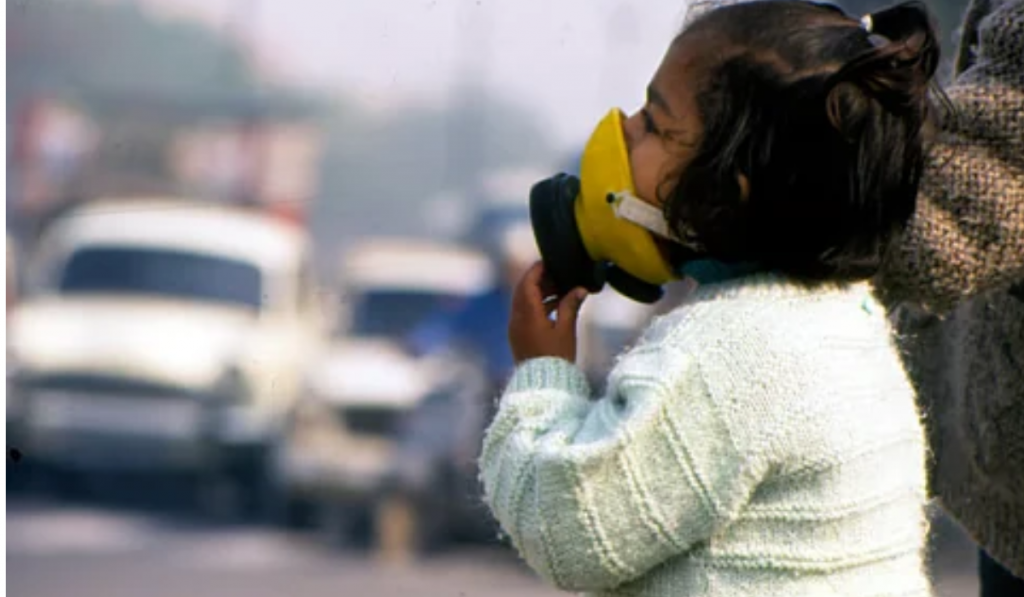
A double win for health and climate: Why scientists are putting black carbon in COP31 spotlight