


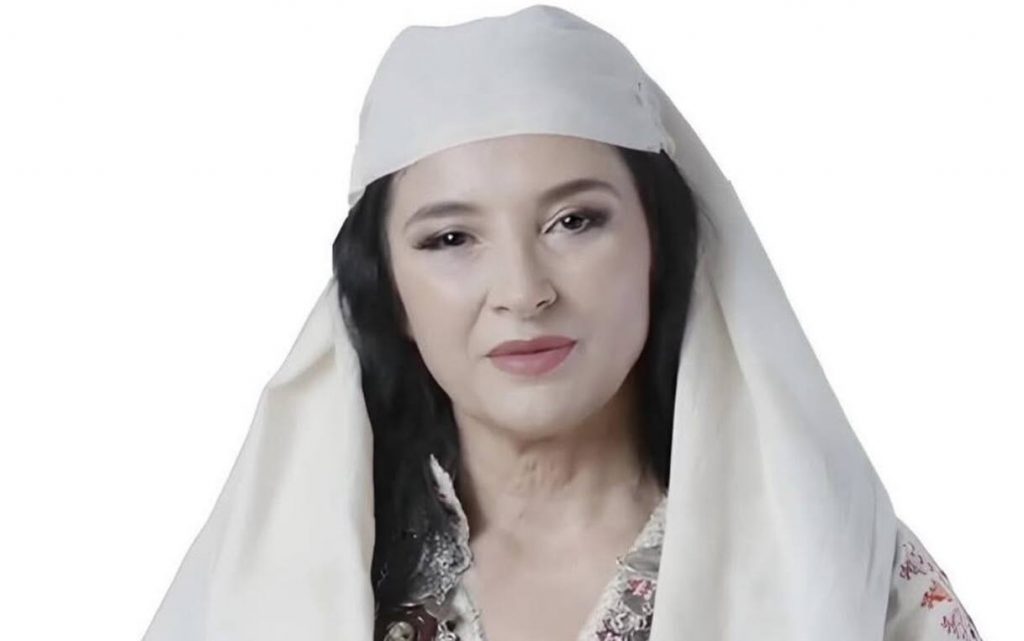
Albania has taken an unprecedented step in governance by introducing an artificial intelligence system as part of its cabinet. The new “minister,” named Diella, is an AI-generated bot tasked with handling the country’s public procurement process — a sector long plagued by corruption. Prime Minister Edi Rama, who is beginning his fourth term, announced the move during the unveiling of his new cabinet on Thursday. He described Diella as the first cabinet member not physically present but created virtually through artificial intelligence.
The system, he said, will oversee and award public tenders in which the government contracts private companies for construction and other projects. “Diella will help make Albania a country where public tenders are 100 per cent free of corruption,” Rama said, stressing that the new tool would close a key loophole that has fuelled scandals for decades.
He added that the initiative marked a symbolic as well as practical break with the past, reflecting his ambition to modernize governance and align Albania with European Union standards.
Corruption and EU Aspirations
Public procurement has long been seen as one of the most corruption prone sectors in Albania.
Experts and watchdog groups have frequently pointed to irregularities, inflated contracts, and political favoritism. The issue has not only weakened public trust but also complicated Albania’s efforts to join the European Union. The EU has made tackling corruption a central condition for membership talks. Rama has set a target of 2030 for accession, though political analysts say the goal is highly ambitious. By handing a sensitive portfolio to an incorruptible AI, the government aims to showcase a commitment to transparency and accountability.
From Virtual Assistant to Cabinet Role
Diella is not entirely new to Albanians. Earlier this year, she was introduced as an AI-powered assistant on the state’s e-Albania platform. Dressed in traditional Albanian attire in her digital form, she has been helping citizens and businesses obtain official documents. Through voice commands, she provides services such as issuing certificates with electronic stamps, reducing bureaucratic delays. Her expansion into procurement marks a far more consequential role. According to Rama, Diella will manage every stage of the tendering process. By automating decision-making, the government hopes to eliminate the influence of bribes, threats, or personal connections that often determine contract awards.
Questions of Oversight
While the announcement was met with enthusiasm in government circles, it has also sparked skepticism. Rama did not provide details on what human oversight would exist over Diella’s decisions. Nor did he address potential risks, such as the possibility of manipulation of the system itself. Analysts warn that technology, while useful, cannot by itself uproot entrenched corruption without strong safeguards. Albania remains a hub for organized crime groups involved in drug and weapons trafficking, and experts note that illicit money often finds its way into legitimate contracts. Ensuring that Diella is not compromised will be a critical test.
Public Reactions
The reaction from the public has been mixed. Supporters hailed the move as a bold step toward modernization. Critics, however, voiced doubts about whether an AI system could resist the pressures of Albania’s political and business culture. “Even Diella will be corrupted in Albania,” one Facebook user remarked. Another suggested that “stealing will continue, and Diella will be blamed.” The skepticism highlights a broader challenge: technology can enhance transparency, but public confidence in governance requires consistent delivery of results.
Next Steps
The new parliament, elected in May, is set to convene on Friday. It remains unclear if Rama’s cabinet, which now includes a digital minister, will be voted on the same day. For Rama, the move fits into a broader strategy of presenting Albania as innovative and reformminded. For Albanians, however, the real measure will be whether Diella’s appointment results in fewer scandals and more efficient governance. As one of the first governments in the world to entrust a ministerial-level function to artificial intelligence, Albania has entered uncharted territory. Whether Diella becomes a model for others or a cautionary tale will depend on how she performs under the pressures of realworld politics