


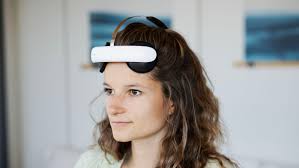
The US Food and Drug Administration has approved the country’s first at-home brain-stimulation device for treating depression, signalling a significant shift in mental health care. The device, developed by Sweden-based Flow Neuroscience, offers a non-drug alternative for adults suffering from moderate to severe depression and can be used under medical supervision at home.
The headset works through transcranial direct current stimulation (tDCS), a technique that delivers low-level electrical currents to specific areas of the brain associated with mood regulation, particularly the prefrontal cortex. By gently stimulating these regions, the device aims to improve depressive symptoms without the use of antidepressant medication.
The FDA’s decision follows evidence from clinical trials indicating promising results. In one study, 58 per cent of participants experienced remission from depression after using the device for 10 weeks. A larger follow-up study published in 2024 further confirmed that patients using the device showed significantly greater improvement compared to those in a control group.
While the approval marks an important milestone, the technology has also sparked debate within the scientific community. Some experts have raised questions about the consistency of results and the long-term effectiveness of tDCS-based treatments. However, the FDA concluded that the potential benefits outweigh the associated risks, which are considered mild and manageable. Reported side effects include temporary headaches, skin irritation at the electrode site, and slight discomfort
during use.