


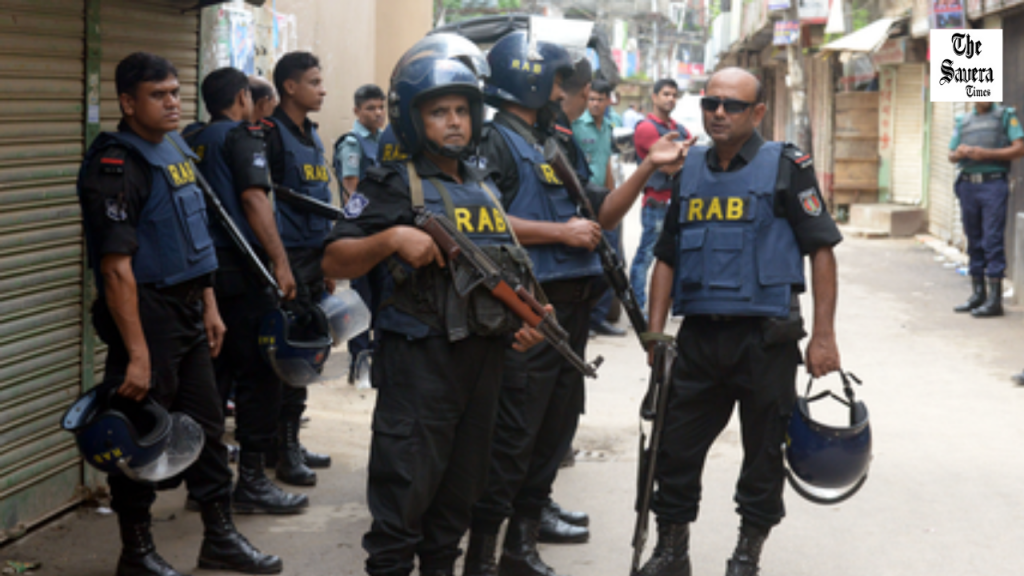
Several journalists, Dhaka University (DU) students and a police constable were injured during an anti-drug operation conducted by the Ramna Zone of Bangladesh Police at Suhrawardy Udyan in Dhaka on Monday evening. The operation, aimed at cracking down on drug-related activities, turned contentious after video footage showed police personnel allegedly assaulting reporters and students covering or present during the action.
According to officials, around 60–70 police personnel took part in the operation, during which seven to eight people were detained on suspicion of involvement in narcotics offences. Police said the purpose was to clear the park of drug use and distribution, a routine part of anti-drug drives.
Assault Allegations Against Police
Journalists covering the raid reported being struck with batons and physically confronted by officers. Tofayel Ahmed, a 25-year-old multimedia reporter for Banglanews24.com, was seriously injured. He told local media that he was assaulted even after identifying himself as press, and police allegedly snatched his mobile phone and press ID card during the incident. Kawsar Ahmed Ripon, multimedia reporter for Ajker Patrika, was also beaten after trying to intervene.
Several videos circulating online show officers confronting and hitting journalists as they attempted to record and document the police action. Both reporters were later taken to Dhaka Medical College Hospital for treatment of their injuries.
Students Also Injured and Detained
Footage and witness statements emerging from the scene show that at least three Dhaka University students were also beaten by police personnel. One of the students, Nayeem Uddin, an Anthropology student and left-wing student leader, was reportedly assaulted after a verbal argument with officers developed. He said that he was discussing an event at the park when the police encounter occurred. Police later released the students after the university’s proctorial team intervened.
Student bodies, including the Dhaka University Central Students’ Union (DUCSU), have protested the police behavior, calling it a violation of human rights and an unjustifiable assault on individuals who were not linked to drugs. They have demanded legal action and departmental punishment against the police officers involved.
Police Response on the Incident
Deputy Commissioner of the Ramna Zone, Masud Alam, defended the drive as a standard anti-drug operation, saying it was larger in scale than usual and that incidents misunderstood encounters occurred when dispersing individuals gathered in the park at night. Masud also claimed that officers did not immediately recognize one of the journalists because he was not wearing a visible press ID and characterized the situation as a misunderstanding.
He said that some officers had been separated from the main group and had encountered students in a way that led to the altercation. Masud added that those involved in the alleged beating of journalists would be identified and appropriate action taken.
Public Reaction and Calls for Accountability
The incident has drawn strong criticism from media organizations and civil society groups. Bangladeshi Journalists in International Media (BJIM) condemned the assault on reporters and called for accountability. They highlighted that journalists had been invited to cover the operation but were injured despite cooperating with authorities.
Critics say the episode underscores concerns over police conduct and press freedom in Bangladesh, particularly during enforcement operations. Journalists covering sensitive subjects have previously faced threats and violence, raising questions about the safety of media personnel and the need for clearer guidelines during police actions.
Human rights advocates have also called for transparent investigations and training for law enforcement on engaging with reporters and civilians during operations. The exchanges in Suhrawardy Udyan highlight tensions between law enforcement priorities and civil liberties.
Next Steps
Police have said that those detained during the operation will be presented before a mobile court, while investigations into the conduct of officers during the incident are ongoing. Both journalists and student representatives are expected to seek formal complaints and pursue further legal action.