


Kanishka Malhotra
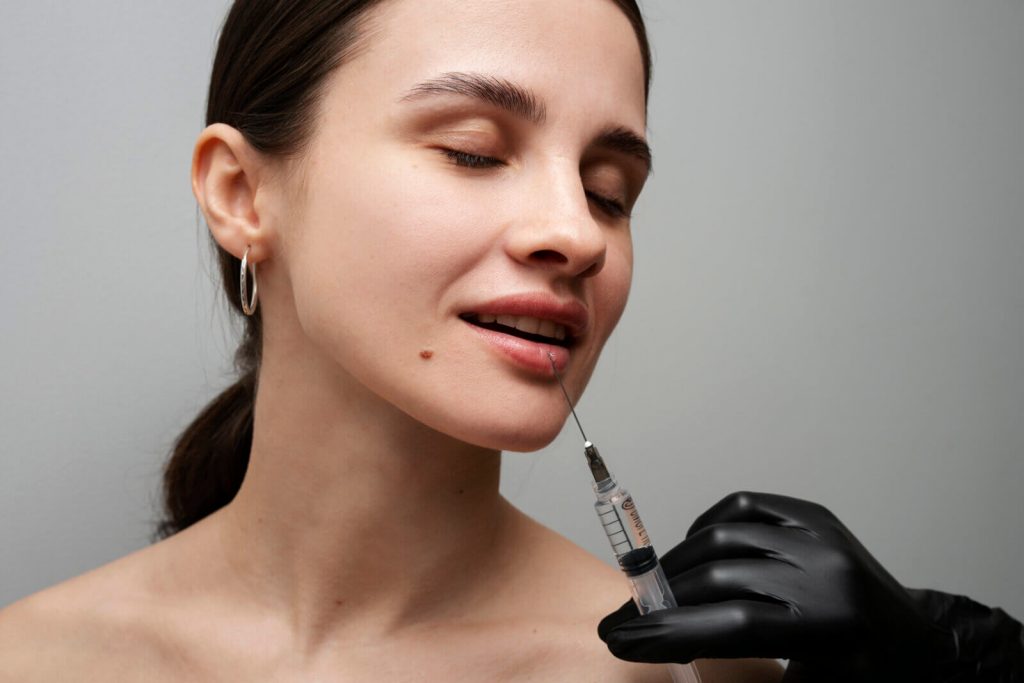
Once seen as a luxury reserved for celebrities and influencers, dermal fillers have now become a mainstream aesthetic choice. Beyond just cosmetics, they are helping people enhance their appearance, boost confidence, and feel comfortable in their own skin.
From plumper lips to sculpted cheeks, the desire to look refreshed and balanced is no longer limited to the red carpet—today, everyone wants to look their best.
From Fame to the Everyday Face
Dermal fillers first gained attention through celebrities, actresses, and social media influencers who openly embraced aesthetic treatments. Their flawless appearances sparked curiosity and acceptance, slowly removing the stigma around “getting work done.”
Today, fillers are no longer about dramatic transformations. They are widely used by people from all walks of life who want subtle enhancements—whether it’s restoring lost volume, smoothing lines, or refining facial features.
What Are Dermal Fillers?
Dermal fillers are injectable substances used to add volume, enhance facial contours, and smooth out lines and wrinkles. Most commonly made from hyaluronic acid—a substance naturally found in the body—they work by attracting moisture and restoring fullness to areas that may have lost volume over time.
Why Are Dermal Fillers So Popular?
Their growing popularity lies in the ability to deliver quick, visible, and natural-looking results. They offer a non-surgical option for those who want improvement without downtime.
Many people opt for fillers to:
- Enhance lips and cheekbones
- Improve facial symmetry
- Look fresher and more youthful
- Feel more confident in social and professional settings
The procedure is minimally invasive, quick, and typically requires little to no downtime. In a world driven by cameras, selfies, and constant online presence, appearance has become closely linked to self-esteem.
More Than Just Beauty—It’s About Confidence
For some, fillers are not just about looking good but about avoiding judgment and ridicule. Many individuals choose aesthetic treatments after facing criticism, teasing, or unwanted comments about their looks.
Dermal fillers can help soften features people feel insecure about, allowing them to face the world with greater confidence and comfort. The goal, increasingly, is not perfection—but feeling good in one’s own skin.
The Shift Towards Natural Enhancements
Modern aesthetic trends focus on subtlety. The emphasis is on enhancing natural features rather than altering faces completely. When done correctly, fillers aim to restore balance and harmony, not create an artificial or “overdone” appearance.
This shift has helped normalize dermal fillers as a personal choice rather than a cosmetic obsession.
A Personal Choice, Not a Trend to Judge
As dermal fillers continue to gain acceptance, they are increasingly seen as tools for self-expression and self-care. Whether someone chooses fillers for beauty, confidence, or peace of mind, the decision is deeply personal.
In the end, the real purpose of dermal fillers is not to chase unrealistic standards—but to help people feel more comfortable, confident, and happy with how they look.
Hair Fall After 40 in Women: Causes, Warning Signs and When to See a Doctor
By- Kanishka Malhotra
For many women, hair fall after the age of 40 doesn’t happen overnight. It creeps in quietly—more hair in the shower drain, a ponytail that feels thinner, or a scalp that suddenly seems more visible. The confusion often lies in knowing whether this is just a normal part of ageing or a sign that something deeper is wrong.
According to Dr Jangid, MD, former dermatologist at AIIMS, New Delhi, and an award-winning expert with over 12 years of experience in advanced hair treatments, hair fall is rarely random.
“Hair loss is not a disease by itself, it’s a symptom,” he explains. “Just like fever points to an infection or illness, hair fall usually indicates an underlying issue.”
Why Hair Fall Increases After 40
As women age, changes in hormones and nutrition begin to affect the hair growth cycle. Normally, hair grows for two to three years before falling out. After 40, this growth phase often becomes much shorter.
“The growth phase may reduce to just six months,” says Dr Jangid. “As a result, hair falls faster, becomes thinner, and doesn’t regrow the same way.”
Unlike men, women usually don’t develop bald patches. Instead, they experience overall thinning, especially around the crown and parting—commonly known as female pattern hair loss.
When Hair Fall Is a Warning Sign
Some amount of hair fall is normal. “Losing up to 100 hairs a day is considered normal,” Dr Jangid says. “But if hair fall is consistently more than that, it’s abnormal.”
After 40, common causes include iron deficiency, vitamin B12 deficiency, stress, hormonal imbalance, and metabolic changes. “Hair and skin reflect what’s happening inside the body,” he explains. “Excessive hair fall means something internal needs attention.”
This is why treating hair fall without identifying the cause often fails. “If iron deficiency is the issue, correcting it alone can significantly reduce hair fall,” he adds.
Temporary vs Permanent Hair Loss
Not all hair loss after 40 is permanent. Stress, illness, and sudden hormonal changes can cause temporary hair shedding, which usually improves within two to three months.
Permanent hair loss, however, is often linked to hormones that affect the hair root itself. “Female pattern hair loss is usually permanent,” says Dr Jangid. “But early diagnosis can slow down its progression and preserve existing hair.”
Can Hair Fall After 40 Be Controlled?
Yes—but only when expectations are realistic. “You can’t treat hair fall unless you treat the cause,” Dr Jangid emphasises.
Medical treatments like minoxidil can help in early thinning and stress-related hair loss, but should always be used under medical supervision. “Even though it’s available without prescription, the dosage and duration must be decided by a doctor,” he says.
PRP (Platelet-Rich Plasma) therapy is another option when hair follicles are still active. “We use the patient’s own platelets to stimulate and repair weak hair roots,” he explains. Studies show improvement in around 80–85% of cases, though results vary.
What Doesn’t Really Work
Many women turn to shampoos, oils, and home remedies hoping for a cure. Dr Jangid is clear on this point: “No shampoo can make hair grow. Shampoos are meant for scalp hygiene, not hair regrowth.”
While oils and serums may improve hair texture or reduce frizz, they cannot fix hormonal or deficiency-related hair loss. “Most topical products don’t penetrate deep enough to affect the hair roots,” he explains.
The Bottom Line
Hair fall after 40 is common—but it’s not something women should ignore or silently accept. Understanding whether the cause is temporary, hormonal, or nutritional makes all the difference.
As Dr Jangid puts it simply: “Hair fall never happens without a reason.” And once that reason is identified, panic gives way to control—and informed treatment.