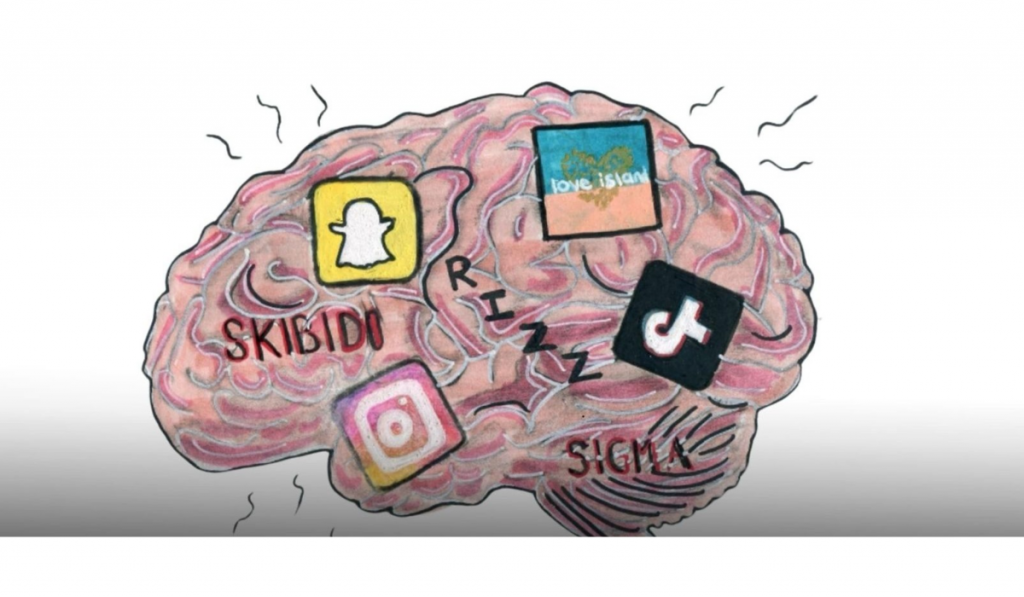
Praise the Lord! Hello, readers! I am Sandhya Masih, a psychologist who loves exploring the mysteries of the human mind and understanding human behavior. Today, I invite you to reflect on something many of us experience in our daily lives but rarely stop to examine: Brain Rot and its possible impact on our mental well-being. Have you ever checked your phone within minutes of waking up? Have you opened YouTube, Instagram, or Facebook to watch just one video, only to realize that 30 or 60 minutes have passed? Do you sometimes struggle to concentrate on a book, complete an important task, or sit quietly without reaching for your phone? If you relate to these experiences, it may be time to reflect on your digital habits. What Does “Brain Rot” Really Mean? The term brain rot has gained popularity to describe concerns about the perceived mental effects of excessive consumption of lowquality or trivial online content. Oxford University Press selected it as its Word of the Year for 2024.However, brain rot is not a formal medical diagnosis, nor does the term mean that the brain is literally decaying. Rather, it reflects growing concerns about how excessive digital consumption may influence our attention, concentration, sleep, and everyday behavior. How Does Excessive Digital Consumption Affect Us? Our brain is an extraordinary organ that continuously receives, processes, and interprets information from the environment. Every notification, message, short video, advertisement, and social media post competes for a share of our attention. When we repeatedly switch between rapidly changing pieces of content, we may become accustomed to frequent stimulation and constant novelty. As a result, slower activities such as reading a book, studying, engaging in meaningful conversations, or completing demanding tasks may feel less immediately rewarding or more difficult to sustain. Consider this example: eating fast food occasionally may be enjoyable, but relying on it every day can affect our physical well-being. Similarly, consuming quick digital entertainment is not inherently harmful, but excessive and uncontrolled use may interfere with healthier routines and meaningful activities. Symptoms: Difficulty concentrating, feeling restless without stimulation, difficulty studying for long period, sleeping late because of scrolling, getting mentally tired, Losing interest in offline activities etc. In today’s digital age, people are constantly exposed to information through social media, online news platforms, notifications, and other digital sources. Although access to information is essential, excessive exposure can negatively affect mental health, concentration, emotional well-being, and daily functioning. The Impact of Information Overload on the Brain Continuous exposure to digital information places considerable demands on the brain. The prefrontal cortex, a region responsible for attention, problemsolving, decision-making, and emotional regulation, plays a vital role in managing these demands. Excessive information and constant digital distractions may interfere with these functions, contributing to stress, memory difficulties, fragmented attention, mental fatigue, and burnout. These effects can be particularly concerning among children and adolescents, who may struggle to concentrate on specific tasks when frequently distracted by digital content. Over time, persistent distractions may interfere with learning, thoughtful decision-making, and the ability to maintain sustained attention. The Psychological Effects of Continuous Exposure to Negative News Some individuals develop a habit of repeatedly checking negative news, particularly reports involving violence, natural disasters, conflicts, and tragic events. Although staying informed is important, continuous exposure to distressing information may adversely affect emotional wellbeing and behavior. Repeated exposure to negative news can activate the brain’s threat-response system and may increase feelings of anxiety, fear, and stress. It can also interfere with concentration, affect mood, and contribute to emotional exhaustion. When distressing information is consumed excessively, individuals may find it difficult to disengage from negative thoughts and maintain a balanced perspective. The Influence of Information on Thoughts and Behavior The information we repeatedly consume can influence how we think, feel, and perceive the world around us. Constant exposure to alarming or pessimistic content may gradually shape our beliefs and increase our perception of danger and uncertainty. Therefore, it is important to develop healthy digital habits, limit unnecessary exposure to distressing content, and make conscious decisions about the information we consume. Staying informed should not come at the cost of our mental peace and emotional well-being. The Bible says in Romans 10:17 Faith comes by hearing this verse highlights the significance of what people hear and receive. More broadly, it encourages reflection on how repeated messages and information can shape beliefs, attitudes, and perspectives. Readers, God gave us wisdom for making choice, everything is happening around us is not completely healthy so we need to be aware while making choices. From a psychological perspective, continuously repeating the same behavior creates the same neural patterns in the brain, when you engage in the same activity for hours-such as endless scrolling -it binds you into a habit. consequently, your brain begins to operate in the same loop every day. This is precisely why it becomes so challenging to break an old habit. Let’s talk about solutions now: Turn off unnecessary notification, no social media for the first 30 minute after waking, complete one important task before scrolling, Replace the habit, read or exercises instead of one scrolling session, keep the phone away for the last 30 minutes before bed. what you repeatedly give your attention to gradually shape your habits, thinking and daily life. you do not to hate your phone or eliminate social media completely, you just need to become the person who decides when to use it, rather than allowing the urge to decide for you. your phone is a device, your attention is your life, protect it. Mental health also means learning when to disconnect, slow down think deeply and reconnect with real world. Conclusion: our brain is not designed merely to consume endless streams of digital content; it is designed to think, learn, create, connect and grow .in an era where attention has become a valuable commodity, protecting our mental space is an act of wisdom.Technolgy itself is not the enemy ,the real challenge lies in how mindlessly we use it.By choosing mindful screen habits, meaningful reading ,physical activity and real human connections, we can nurture our cognitive wellbeing and reclaim control over our attention. Let’s us not allow a world full of content to leave our minds empty of thought, let us use technology to expand our knowledge, not diminish our capacity to think. Proverbs 4:7 Wisdom is the principal thing; therefore, get wisdom God bless you all Sandhya masih!
Brain Rot: Is Excessive Digital Content Affecting Our Minds?