


Dehradun: The BRICS Academic Mid-Term Conference on “Resilience and Sustainability” concluded in Dehradun on Friday, bringing together more than 200 delegates from 36 institutions across eight countries to discuss green industrial transformation, climate finance, biodiversity protection and the future role of BRICS under India’s 2026 presidency.
Delegates Emphasise Inclusive and Just Sustainability Framework
The conference was organised by the Observer Research Foundation (ORF) in partnership with the Research and Information System for Developing Countries (RIS) and Doon University.
In the inaugural session, speakers emphasised that “BRICS is not merely an economic grouping but a platform representing the aspirations of the Global South, and that sustainability must be fair and just. With 11 member countries and 10 partner countries representing nearly half the world’s population and 40 percent of global GDP (PPP), India’s Chairship theme Building Resilience, Innovation, Cooperation and Sustainability adopts a humanity-first approach aligned with Vasudhaiva Kutumbakam.”
Key Leaders Address Inaugural Session in Dehradun
The Inaugural Session featured addresses by Lt. Gen. Gurmit Singh PVSM, UYSM, AVSM, VSM (Retd), Governor of Uttarakhand; Anand Bardhan, Chief Secretary, Uttarakhand; Shambhu L. Hakki, BRICS Sous Sherpa & Joint Secretary (MER), Ministry of External Affairs, Government of India; Surekha Dangwal, Vice Chancellor, Doon University; and Harsh V. Pant, Vice President, Observer Research Foundation and Executive Director, BRICS Think Tanks Council, India.
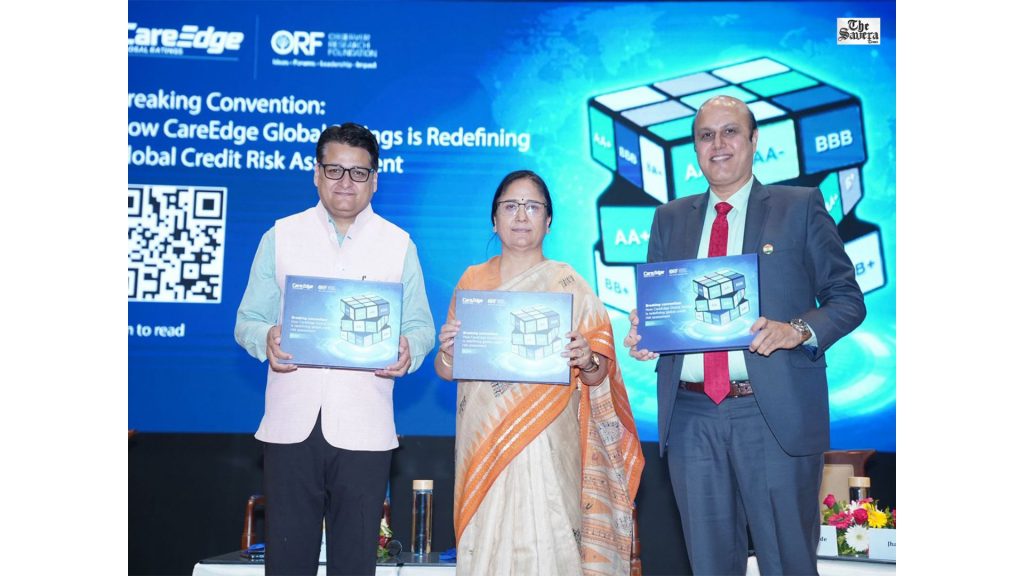
A key highlight of the event was a spotlight address by Mehul Pandya, Managing Director and Group CEO, CareEdge Group, who marked the launch of “Breaking Convention: How CareEdge Global Ratings is Redefining Global Credit Risk Assessment,” a report jointly published by ORF and the CareEdge Group.
Green Transition, Biodiversity and Climate Finance Discussions Held
“Green Industrial Transformation in a Fragmented Global Economy” underscored that green transitions must create jobs, support MSMEs and protect livelihoods. Speakers stressed that context-specific solutions and stronger intra-BRICS supply chains are essential to reduce dependence on external chokepoints and enhance resilience.
The session on “Protecting Biodiversity and Indigenous Knowledge Systems” called for moving beyond what speakers described as “Eurocentric models” and advocated greater recognition of local knowledge and traditional ecological practices.
India’s ‘Humanity-First’ Approach Highlighted in Closing Session
The conference concluded with an open-house discussion titled “Creative Consensus: India’s Role in Re-centring BRICS,” featuring Shambhu Hakki and Harsh Pant.
The discussion focused on India’s “humanity-first, people-centric approach to global engagement,” rooted in the ethos of “Vishwabandhu,” or friend of the world. Organizers said the conference generated policy-relevant recommendations and inputs that will contribute to deliberations ahead of the upcoming BRICS Summit in September.