


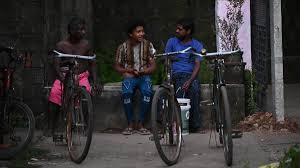
Migration has long been a defining feature of India’s socio-economic landscape. For millions of young Indians, leaving their villages for towns and cities is not merely an aspirational choice but often a necessity. Much like the narratives portrayed in recent Indian films such as Homebound, young people find themselves torn between the pull of home and the promises of urban life — between belonging and opportunity. While mobility is a natural feature of a growing economy, the large-scale patterns of youth migration point to deeper structural challenges, particularly the lack of dignified employment, inadequate educational linkages with jobs, and uneven regional development.The Covid-19 pandemic exposed these vulnerabilities dramatically.
During the first lockdown in 2020, nearly 40 million workers were forced to return to rural areas, highlighting the fragile nature of livelihoods in cities and the continued dependence of urban India on rural labour. According to the Periodic Labour Force Survey (PLFS) 2020–21, about 29% of India’s population are migrants, with nearly 89% originating from rural regions. Youth migration is particularly significant, with over 50% of migrants aged between 15 and 25, showing that the country’s most productive workforce is leaving villages in search of opportunities elsewhere.Gendered patterns of migration reveal additional complexities.
While men primarily migrate for work, women migrate mainly due to marriage, accounting for 86.8% of female migration. This creates a paradox: although women represent the majority of migrants, their movement rarely translates into economic participation. Men, in contrast, often leave rural areas for work but find themselves employed in insecure and informal sectors, lacking social security, healthcare, and job stability.