


The challenge of smuggling drugs and weapons via drones is not limited to the 130-kilometerlong border shared by Punjab’s Amritsar district with Pakistan; drug smugglers have also developed a drone-based network within the state’s interior regions that utilizes GPS technology. Smugglers are now using GPS-equipped drones to transport narcotics and weapons into Punjab and other parts of India. This allows their accomplices on the Indian side of the border to track the precise location of the consignment, easily retrieve it, and distribute it to various areas. Consequently, hotspots for drugs and weapons have shifted from the border itself to Punjab’s interior districts, although Amritsar remains the primary hub for consignments sent from Pakistan via drones. Over the past two and a half years, raids have resulted in the recovery of more than 600 drones and hundreds of kilograms of heroin. Such consignments are dropped at various locations weekly and subsequently recovered by security forces. The Centre informed the Lok Sabha that the BSF recovered 294 drones from Punjab’s border areas in 2024, specifically from the Amritsar, Gurdaspur, and Ferozepur sectors. In 2025, 272 drones and over 370 kilograms of heroin were seized. By May 2026, more than 50 drones had already been recovered. It is worth noting that the BSF monitors the area extending up to 50 kilometers inside the Punjab border. Although an antidrone system has been established in Punjab, smugglers continue to send drones carrying drugs and weapons from Pakistan into India regardless of these measures. Areas most heavily affected by drone activity include Rajatal, Roranwala Khurd, Dauke, Wan, Haveliyan, Dhanoe Khurd, and the Attari region. Packets containing drugs and weapons are dropped in the fields of these areas. Security agencies have frequently recovered pistols, cartridges, hand grenades, and weapon parts alongside consignments of narcotics. This suggests that the adversary’s objective goes far beyond mere drug smuggling; the aim is to foment unrest in our territories—which is why weapons are being distributed. Although the BSF and Punjab Police recover drones, heroin, or weapons from various villages on a weekly basis, smugglers persist with this method. Both the central government and the Punjab administration have established warning systems to counter drone incursions and have deployed countermeasures to intercept them; yet, the sheer scale of these operations in Pakistan is such that the activity shows no signs of abating despite constant raids. The government has certainly observed the utility of drones in conflicts involving Israel, the US, and Iran, and has now announced plans to develop dedicated drone squads within our own security and surveillance forces—an initiative being termed a “drone revolution.” In our view, however, this revolution will only be deemed successful if anti-drone technology capable of targeting hostile drones is advanced to the point where any incoming drone is immediately detected by our surveillance teams. While announcements regarding the development of antidrone machinery and the expansion of technical expertise in this field have been made in Punjab, the way Pakistani terrorists and smugglers are collaborating with local drug traffickers to infiltrate the state via drones suggests that this anti-drone technology requires further development.
Challenge of Smuggled Drugs and Weapons
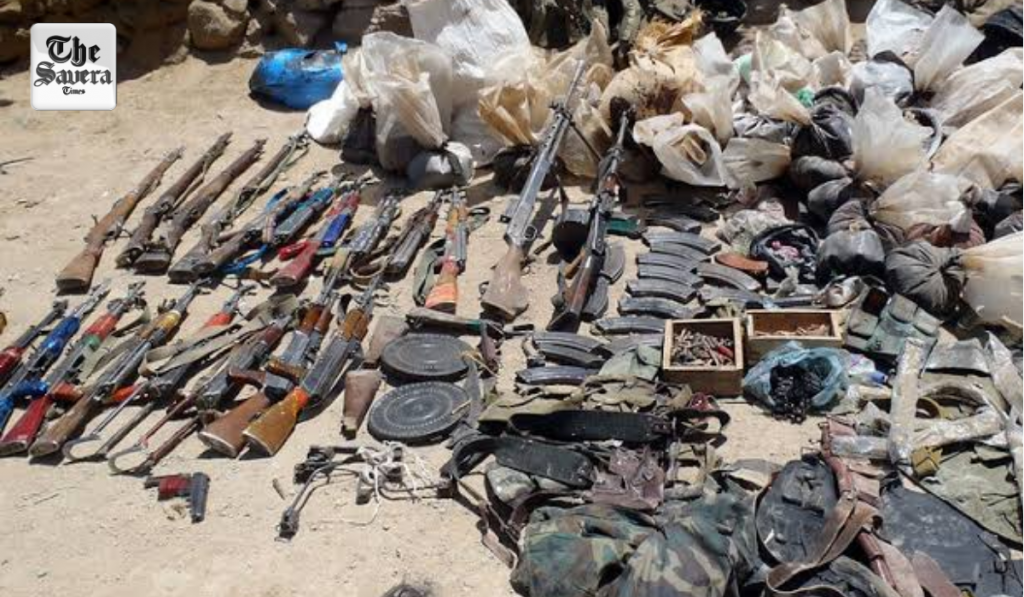
Challenge of Smuggled Drugs and Weapons