


A new system will be implemented in the country’s digital payment system, UPI, from October 15th. The National Payments Corporation of India provided complete information in this regard on Tuesday. According to the corporation, this system will not burden ordinary customers. According to their survey, the number of people making transactions of Rs 2,000 in our country is more than 95 percent of online payments. However, merchants will have to pay 0.4 percent MDR (Merchant Discount Rate) for receiving UPI payments of more than Rs 2,000. Another provision is that a fixed fee of Rs 5 will be charged for payments exceeding Rs 2,000 in essential and low-profit sectors such as railways, telecom, insurance, fuel at petrol pumps, and agricultural inputs. Now let’s evaluate the new system. Understand the 0.4 percent fee on online payments above Rs 2,000 this way: if you pay Rs 3,000, the shopkeeper or merchant will be charged Rs 12. For payments up to Rs 50,000, the fee will be Rs 200. The upper limit is Rs 75,000 or more, with a maximum charge of ₹300. A 0.02 percent fee will also apply to stock markets and mutual funds. Person-to-person and person-to-merchant transactions won’t be charged, but if shopkeepers using the UPI payment system earn more than Rs 1 lakh per month, they will be taxed. The corporation has stated that consumers won’t be taxed, but in practice, this tax will be collected from consumers in some way or another. The MDR charged by hotels and restaurants is legally uncollectible, but up to 5 percent is levied on customers under the guise of a service charge. The direct implication of this new system is that online payments are no longer free. Fees will be levied beyond a modest amount of Rs 2,000. Nowadays, payments of over Rs 75,000 are commonplace, from valuable goods to other transactions. This means Rs 300 will be required. What impact will this have on the market and the public? The answer is, it’s quite possible that ordinary people will return to cash payments to avoid paying this Rs 300 fee, which goes as high as Rs 100, and the growth rate of UPI payments will decline. The recent surge in online payments in the country, with companies like Zomato and Blinkit offering home delivery services, will also be a hit. It’s possible that people will return to shops and malls, where large advertisements of discounts are displayed. In the past, it was felt that small shopkeepers and large malls were experiencing a decline in customers. People prefer to have goods delivered at home. Now, this fee system will inevitably create hesitation among ordinary people about online shopping. Instead of taking out their mobile phones and using UPI for small and large payments, people will return to carrying cash in their pockets. This is not a good sign for economic development. A positive thing will be that instead of paying taxes on online purchases, customers will return to small shopkeepers and street vendors, hoping for a revival. Perhaps Sunday markets in cities will become more vibrant. It will be interesting to see what results this system yields by the end of the financial year.
Changes in Digital Payment System
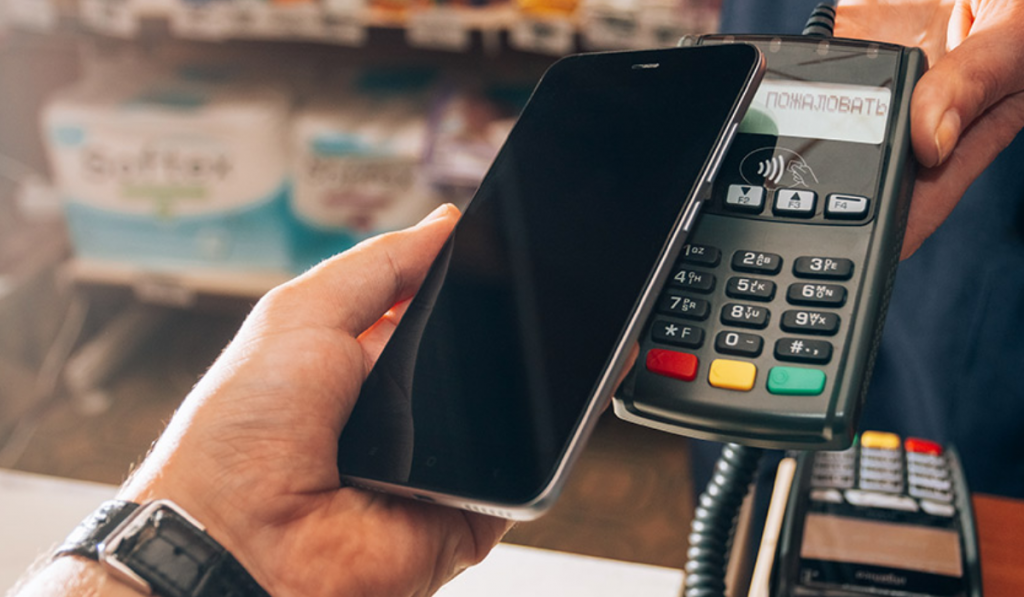
Changes in Digital Payment System