


Abhishek Vij
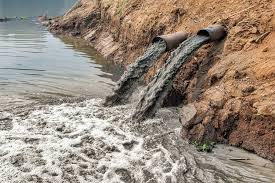
A parliamentary committee was constituted to investigate the contamination of the country’s water resources. The committee recently released its report, which presents a stark reality regarding the purity of water resources across various states. The report states that, among all states, the water in Rajasthan, Assam, Odisha, and Punjab is the most contaminated. It is a well-known fact that the presence of heavy metals in water poses a serious threat to human health. Experts warn that elevated levels of uranium in a region’s water significantly increase the risk of cancer.
Regarding the water in Punjab, the committee’s report highlights the presence of ammonium, selenium, and nitrates. These contaminants are known to cause a variety of diseases. The Standing Committee has expressed grave concern over this issue. The Malwa belt, in particular, is the region most severely affected by cancer due to the high concentration of uranium in its water. The selenium detected in Punjab’s water can lead to liver, kidney, and digestive disorders. Nitrates were also found—contaminants that seep into the water supply due to the improper disposal of chemical waste and animal waste. This increases the risk of thyroid-related ailments.
An alarming rise in the prevalence of these diseases has been observed in Punjab over an extended period, with cancer showing the most significant surge. Over the last 5 years, there has been a 9.45% increase in the number of cancer patients in Punjab. In 2020, the state recorded 38,636 cancer patients; by 2024, this figure had risen to 42,388. Throughout the intervening years, this number has continued to climb steadily. The report also includes a survey detailing the adverse impact of this contaminated water on Punjab; according to the findings, 427 residential settlements across 400 villages in the state have fallen victim to the scourge of contaminated water.
It offers little solace to note that other states are grappling with this same crisis, with 2,369 villages in Rajasthan, 1,350 in Assam, and 611 in Odisha facing this identical challenge. Highly contaminated water has been detected in Fazilka, Punjab, where the presence of uranium and mercury has been confirmed. Villages in Ferozepur exhibit high levels of uranium in their water supply, while the water in Moga contains excessive amounts of selenium. In Patiala, elevated levels of cadmium, uranium, and selenium have been found in the water.
Consequently, the bottled water industry in Punjab has begun to boom. However, a complication has arisen: following the outbreak of conflict between the United States and Iran, the supply of raw materials required to manufacture water bottles has been disrupted and has become more expensive. As a result, access to clean water is drifting further out of the reach of Punjab’s underprivileged population every day. A large-scale, comprehensive campaign must be launched to install water purification infrastructure across Punjab; only then will the people of the state be able to access clean water and safeguard their health.
Changes are required in operational protocols—ranging from the cleanup of garbage dumps to the laying of underground water supply pipelines—to ensure water security. New initiatives focused on water purification must be introduced to prevent the toxic chemicals present in the water from compromising public healt