


China’s invasion of Tibet in 1950 has not been able to win the hearts of the Tibetans as for them, it has resulted in the loss of sovereignty, suppression of culture and the erosion of basic freedoms. If China thinks to prove otherwise, it must hold a referendum in Tibet in which residents can freely take a decision regarding their future. A referendum would allow Tibetans to express, freely and without coercion, whether they accept the so called ‘liberation’ or reject it as an occupation. Such a vote would be the ultimate measure of legitimacy. Self determination is a principle enshrined in international law. Referendums have resolved disputes from East Timor to South Sudan. If China is confident in its claim that Tibetans are ‘grateful citizens,’ then a ballot box should confirm it,” Khedroob Thondup, nephew of the 14th Dalai Lama. The reality on the ground in Tibet reveals a different story, as the Tibetan language has been sidelined in schools, monasteries have been monitored, and photos of the Dalai Lama have been prohibited. Arbitrary arrests, surveillance and restrictions on religious practice regularly occur in Tibet. These realities reveal the hollowness of the “liberation” narrative, as liberation does not mean surveillance, censorship and fear. “China’s 1950 invasion of Tibet has failed to win the hearts of the Tibetan people. Decades of propaganda cannot mask the truth: Tibetans remain unconquered in spirit. If Beijing wishes to prove otherwise, it must allow Tibetans to decide their own future through a referendum. Anything less is an admission that “liberation” was never liberation at all, but occupation. Recently, a leading international press freedom organisation strongly condemned the sweeping restrictions imposed by the Chinese authorities on media professionals from accessing vital information regarding the Tibetan region following the devastating flash floods. The massive flood that struck Nepal’s Rasuwa originated in the Tibetan region of China on August 26. It swept through the transboundary Bhote Koshi River, leaving over a thousand dead and causing massive destruction in the Himalayan nation. The Chinese authorities have only authorised state media to cover the floods in Tibetan areas, with reports highlighting Beijing’s achievements and successes in relief efforts rather than providing a comprehensive account of the scale and impact of the devastation. Criticising the restrictions on media coverage, Aleksandra Bielakowska, Head of Advocacy, RSF Asia-Pacific, said that in recent years, under Chinese President Xi Jinping’s leadership, Tibet has become a “de facto information black hole”.
China Must Allow Tibetans to Decide Their Own Future
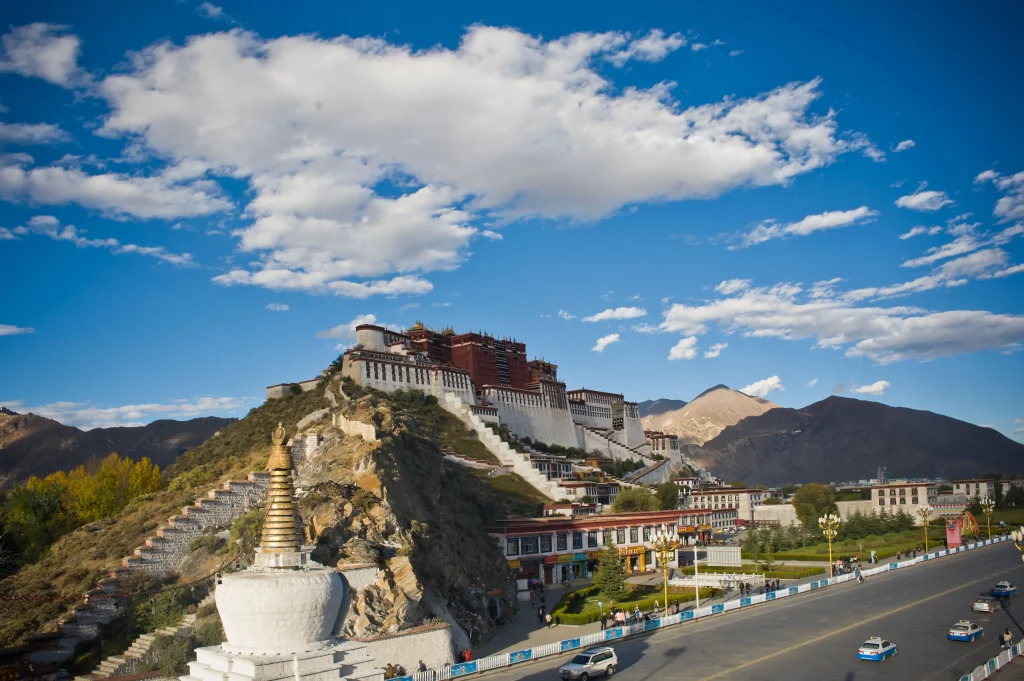
China Must Allow Tibetans to Decide Their Own Future