


China’s warnings about militarisation in East Asia appear to be more about narrativebuilding than genuine security concerns. In contrast, the primary driver of military expansion in the region is China’s own rapid military build-up, not Japan, Australia, or the Philippines. By “crying wolf”, Beijing risks undermining its own credibility while strengthening the very coalitions it “fears most”. Across the Indo-Pacific, the louder China’s rhetoric grows, the more apparent its double standards become, Khedroob Thondup, the nephew of the Dalai Lama. When Beijing warns of ‘destabilising militarisation’ in East Asia, the targets are predictable: Japan, Australia, and the Philippines. Yet these warnings ring hollow against the backdrop of China’s own extensive military expansion. The wolf cry is not about genuine fear. It is about shaping perceptions, deflecting criticism, and preserving China’s strategic narrative. China today commands the world’s largest navy by number of vessels, has fielded advanced missile systems, and continues to militarize the South China Sea. Its defence budget has grown steadily, funding modernisation across conventional, cyber, space, and nuclear capabilities. This transformation is not merely defensive. It is designed to project power across the Indo-Pacific. Beijing’s alarm over far smaller actions by its neighbours, against the backdrop of its own expansionist agenda, reflects a clear “double standard”. It further stated that Japan’s reinterpretation of its pacifist constitution, alongside recordhigh defence spending and the development of counterstrike capabilities, signals a historic strategic shift. For China, Japan’s proximity to Taiwan and its alliance with the United States make Tokyo a formidable counterweight. By crying wolf, Beijing seeks to delegitimise Japan’s normalisation of its defence policy, framing it as a dangerous revival of militarism rather than a rational response to Chinese assertiveness. Australia’s deepening involvement in AUKUS, its investment in nuclear-powered submarines, and its expanding ties with Washington and Tokyo underscore a strategic pivot. Canberra is not militarising for prestige. It is hedging against what it sees as growing Chinese coercion in the Pacific. Beijing’s warnings aim to paint Australia as destabilising while obscuring its own role in driving Canberra’s strategic choices. It further noted that long hesitant to deepen its defense posture, the Philippines has moved closer to the United States and invested in strengthening coastal defenses. The shift comes amid repeated confrontations with China in the South China Sea. By shouting wolf, Beijing attempts to cast Manila as provocative, even as Chinese vessels have harassed Philippine fishermen and obstructed resupply missions to disputed outposts. China’s “wolf cries” are aimed at three objectives: “deflecting scrutiny by spotlighting its neighbors’ militarisation and shifting attention away from its own buildup; delegitimising rivals by casting Japan, Australia, and the Philippines as aggressors; and preserving dominance by reinforcing its claim to regional leadership while portraying resistance as destabilisation.”
China’s ‘Wolf Cries’ on Militarisation in East Asia
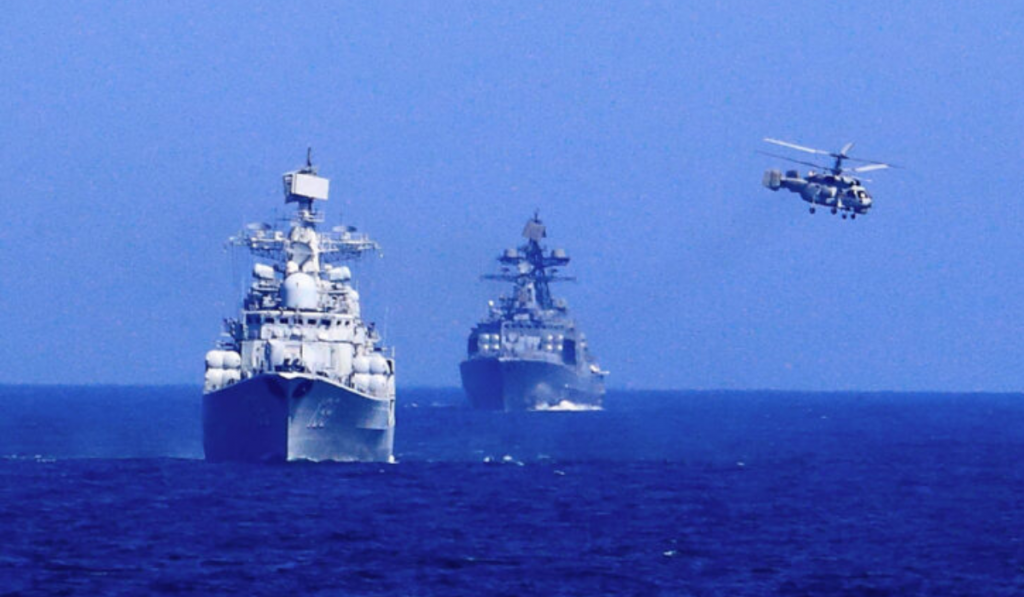
China's 'Wolf Cries' on Militarisation in East Asia