


Climate change is often discussed through global agreements, emissions targets, and scientific reports. Yet for millions of Indians, climate change is not an abstract conceptit is a daily reality shaping livelihoods, health, and survival. From farmers adjusting crop cycles to coastal communities facing erosion, adaptation has become an essential part of everyday life.
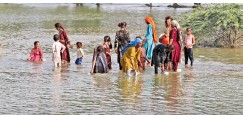
India’s vulnerability to climate impacts is well documented. Heatwaves, erratic monsoons, floods, droughts, and rising sea levels affect large sections of the population each year. While mitigation efforts focus on reducing emissions, adaptation addresses how people live with the changes already underway. Across the country, adaptation is happening quietly, often without formal recognition.
Agriculture provides the clearest examples. Farmers are diversifying crops, shifting sowing dates, and adopting drought-resistant varieties to cope with unpredictable weather. In water-stressed regions, traditional practices such as rainwater harvesting and mixed cropping are being revived alongside modern techniques like micro-irrigation. These changes reflect accumulated local knowledge responding to environmental stress.
Urban areas are also adapting, though unevenly. Heat action plans, early warning systems, and changes in building design are emerging in some cities. Tree cover, reflective roofs, and cooling centres are increasingly recognised as public health measures rather than environmental luxuries. Informal settlements, however, remain particularly vulnerable due to poor housing and limited access to services.Coastal communities face distinct challenges. Fisherfolk are adjusting fishing patterns as marine ecosystems shift, while villages combat erosion and saltwater intrusion. In some areas, relocation has become unavoidable, raising complex questions about compensation, cultural loss, and long-term planning.
Public health adaptation is gaining urgency. Rising temperatures increase the risk of heat-related illness, vector-borne diseases, and water scarcity. Health systems are gradually integrating climate risk into planning, focusing on surveillance, preparedness, and community awareness. While progress is visible, capacity gaps remain significant.Community-led initiatives are among the most effective responses. Local groups, self-help collectives, and civil society organisations are building resilience through water management, disaster preparedness, and livelihood diversification. These efforts demonstrate that adaptation is not only a technical challenge but also a social one, dependent on trust and cooperation.