


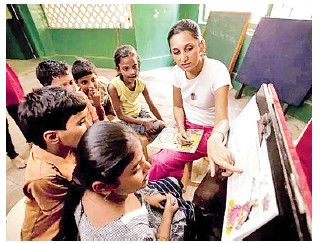
Across India, a quiet but powerful transformation is underway in education—one driven not just by governments or institutions, but by communities themselves. From volunteer-run libraries to low-cost digital classrooms, community-led education initiatives are proving that meaningful learning can thrive even in resource-constrained settings. These efforts are building confidence, skills, and hope among children and young adults, particularly in underserved regions.
In many small towns and rural areas, local libraries have become hubs of learning. Often started by teachers, retired professionals, or youth volunteers, these spaces provide free access to books, newspapers, and exam preparation material. For students preparing for competitive exams, such libraries offer something invaluable: a quiet place to study and a supportive peer environment. Many success stories—first-generation graduates entering civil services, teaching, or engineering—trace their beginnings to such modest reading rooms.
Digital education has further expanded these community efforts. With the spread of affordable smartphones and internet connectivity, local groups are organizing online classes and hybrid learning models. In villages across states like Bihar, Odisha, and Madhya Pradesh, community centers equipped with a few computers now host virtual lessons taught by educators from across the country. This has helped bridge gaps in subject availability, especially in science and mathematics, where trained teachers are often scarce.
Women-led education initiatives have been particularly impactful. Self-help groups in parts of southern and eastern India are running after-school programs focused on basic literacy, numeracy, and life skills. These programs not only support children’s learning but also encourage parents—especially mothers—to engage actively in education. As women take leadership roles in managing these initiatives, they gain confidence, organizational skills, and recognition within their communities.Skill-based learning is another area seeing positive change. Community-run training centers now offer courses in tailoring, electrical work, computer basics, and spoken English. These programs are closely aligned with local job markets, ensuring that learners can quickly translate skills into income. For young people who may not pursue higher education, such training provides dignity, employability, and a sense of direction.