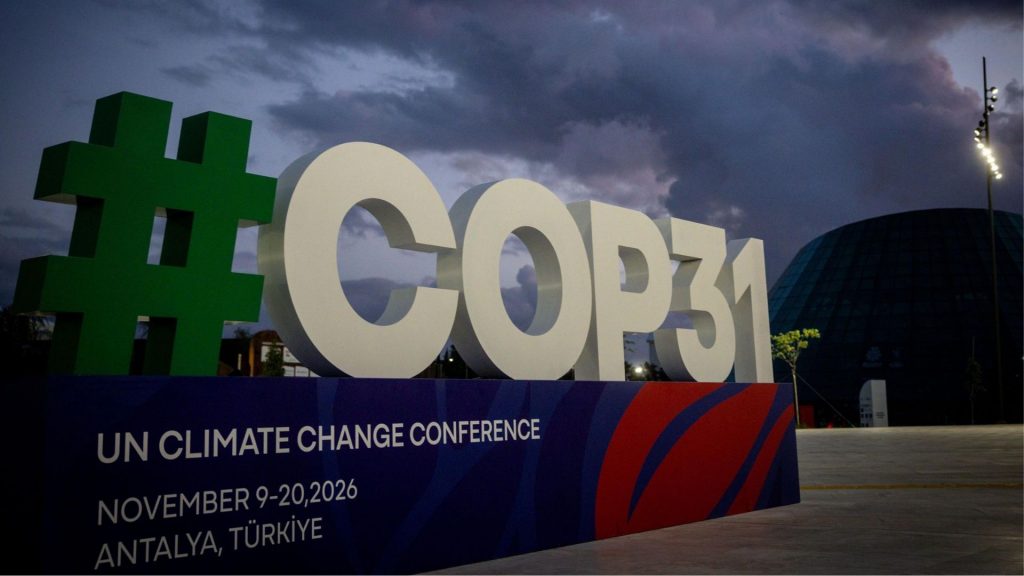
The collapse in Turkiye exposes a diplomacy that protects fossil-fuel power while leaving vulnerable countries to pay the price. COP31 ended without an overarching agreement on Sunday in Antalya, Turkiye, after nearly 200 countries failed to agree on a final climate pact. The proposed text could not even name the principal cause of global warming: fossil fuels. The European Union, several Pacific island states and other governments rejected it, while oil-producing countries resisted stronger language. After three decades of annual summits, this was the first such breakdown since 2009. It is tempting to call this an extraordinary diplomatic failure. But the collapse reveals something more enduring. Climate negotiations have become remarkably effective at keeping governments at the table while avoiding the economic changes that meaningful climate action requires. The system is not designed literally to produce no agreements; it is designed to accommodate interests powerful enough to prevent decisive ones. Consider what happened in Antalya. The EU objected that the final draft did not even mention fossil fuels. Yet the omission was not a clerical oversight. Earlier language on moving away from oil, gas and coal had been weakened as negotiations proceeded. The summit could not agree on how to implement the agreement reached at COP28 in Dubai in 2023 to transition away from fossil fuels in energy systems. What should have been the starting point for action became the point at which diplomacy broke down. The contradiction is built into the negotiating process. Under the Paris Agreement, governments determine their own emissions commitments, with no enforcement mechanism to compel a country to stop expanding fossil-fuel production. COP decisions also depend on consensus, giving determined holdouts considerable leverage. The result is an international forum in which the most reluctant participants can limit what everyone else is allowed to say, let alone do. That does not mean all countries are equally responsible. Nor does it mean that every COP has achieved nothing. The Paris framework helped establish common goals, and climate summits have encouraged investment and cooperation. Antalya itself adopted limited decisions on other matters, including one on a just transition. But these gains cannot substitute for a credible timetable to wind down fossil-fuel extraction. The distinction matters: diplomatic activity is not the same as structural change. Indeed, fossil-fuel power operates well beyond the conference hall. Producing states defend revenues and geopolitical influence, while consuming states continue to rely on cheap energy and established infrastructure.
COP31 has failed. The climate system is working as designed