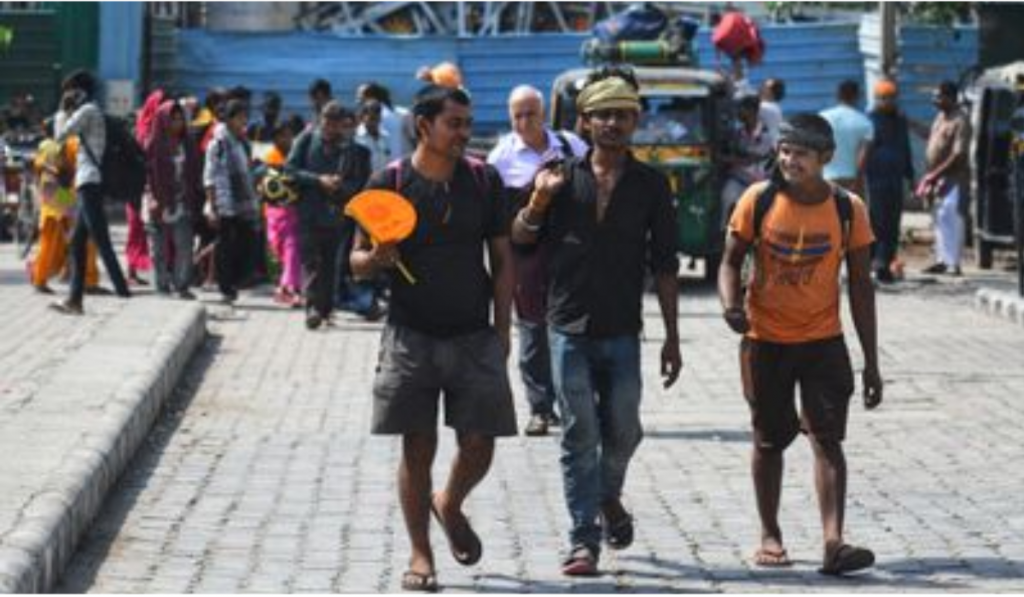
Every time the paddy crop ripens and the harvesting process is completed, the paddy is brought to the market for sale, or wheat is sown for the next crop cycle, labor shortages begin. This shortage continues every year until after Diwali and Chhath Puja. Punjab’s agricultural system and industrial production rely heavily on workers from Uttar Pradesh, Bihar, and some other states. Just look at the Sunday markets in Punjab’s cities; they too are crowded with workers from Uttar Pradesh and Bihar. Experts even say that if this continues, the population structure of Punjab will change. But this is a matter of later, nowadays huge crowds of workers are being seen at bus stands and railway stations. Waiting lists for regular trains running daily from Punjab to Uttar Pradesh and Bihar are going beyond 100. Special trains are being run by the Railways but the difficulties are still not reducing. Workers are boarding trains going to their native states Uttar Pradesh and Bihar for Diwali and Chhath Puja. To reduce the rush of passengers, the Railways has so far announced 5 special trains or ten trips of their up-down trains but the seats get filled immediately. Passengers are abandoning trains and turning to buses. More buses are being operated to Uttar Pradesh and Bihar, but there seems to be no relief here either. The Punjab government recently donated 30 new buses to Ludhiana, a major hub for migrant workers, which are operating on long routes to Delhi, Himachal Pradesh, Uttarakhand, and Uttar Pradesh. There are also reports of overcharging on privately operated buses. This is a traditional migration and return cycle that has been ongoing for years. Looking at this problem from a purely economic perspective, it is not conducive to the long-term, sustainable development of any state when its entire business depends on workers from other states. A pool of native workers should also be established.
Daily Departure of Migrant Workers from Punjab