


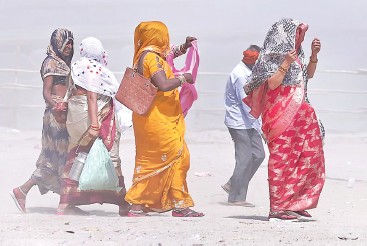
In 2025 heatwaves emerged as the deadliest climate-related disasters worldwide, killing more people than floods, storms or wildfires and exposing deep inequalities in vulnerability and impact, according to an annual analysis by climate scientists. The year was among the hottest on record, with the three-year global average temperature crossing the 1.5°C threshold for the first time, a milestone scientists say reflects how relentless fossil fuel emissions are pushing the climate beyond established limits and making extremes more severe.
World Weather Attribution identified 157 extreme weather events in 2025 that met criteria for significant humanitarian impact. Heatwaves and floods were the most frequent events, but heat stood out as the deadliest. In Europe alone, one prolonged period of extreme heat is estimated to have caused tens of thousands of deaths across hundreds of cities, and in many places reliable mortality data is lacking, suggesting the true toll could be much higher. The deadly nature of heatwaves was not uniform. Communities living in poverty, especially in the Global South, bore the brunt of impacts due to lack of cooling infrastructure, limited health services and work conditions that expose labourers to extreme temperatures. Informal sector workers such as agricultural labourers and street vendors, along with women who often juggle unpaid care work and outdoor exposure, were among those most affected.
Analysis of specific events showed that human-induced climate change has made intense heat both more frequent and more intense compared with past decades. In some regions, heat events that were once rare have become common or expected almost every other year. Rising baseline temperatures also amplify other hazards, like drought and wildfire risk, creating compound stress on ecosystems and societies.
Despite heatwaves claiming the highest mortality, damage from other climate extremes was also massive in 2025. Reports from separate assessments show that floods, wildfires and tropical storms caused billions of dollars in economic losses and displaced millions, often hitting communities already vulnerable due to weak infrastructure and limited adaptive capacity. The 2025 climate landscape illustrates how global warming is reshaping hazard profiles and amplifying inequalities. Poorer nations and marginalised groups lack resources to prepare for and respond to extreme heat and other disasters, increasing their exposure and reducing resilience.