


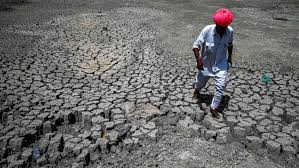
Around 84 heatstroke deaths have been recorded in the summer of 2025. The devastating 2010 heatwave led to 1,344 additional deaths, most of them above 65 years of age.
Globally, stroke ranks among the top 10 cause of death. Between 2000 and 2019, the World Health Organization and United Nations Environment Programme projected around 489,000 heat-related deaths worldwide, with more than 85 per cent of these deaths occurring in the age group of 65 and above.
In India, Abhik Sinha’s studies highlighted the major concerns of elderly patients with chronic conditions. Heat-related deaths among those over 65 have risen by 70 per cent in two decades and accidents like those in 2003 in France demonstrate the critical need of attention.
The India Meteorological Department (IMD) issued red alerts for many states after Delhi reached 43°C. A spike in heatstroke and dehydration cases followed in Noida and Ghaziabad, especially among the elderly.
There are 1.1 billion persons aged 60 and above globally as of 2022. This number is expected to double to 2.1 billion by 2050. Asia is home to 54 of the world’s elderly population, which will rise to nearly 1.3 billion or 25 per cent of its total population by 2050
Recent studies show daily mortality among the elderly in India is 14.7 per cent when the temperature is at 97th percentile for the 2 consecutive days. These are predictions of mortality among the elderly living in a South Indian urban community: 92.5 per annum for men and 51.0 per annum for women. Among rural regions, eastern Maharashtra, which has 78 per cent of its population living outside cities, reports that nearly 30 per cent of patients admitted to the outpatient department daily fall sick due to heat exposure.
A 2 C temperature rise is linked to a 65 per cent increase in communicable diseases. With the elderly population expected to double by 2050, this overlap of climate stress highlights the urgent need for adaptive measures.
Why seniors suffer more
Heatwaves do not impact all populations equally, with the vulnerable bearing a disproportionate burden. Studies show 82 per cent to 92 per cent of mortality is among older populations. Multiple interacting factors exacerbate the severity of the suffering population.
Biological factors, contribute to this risk. Patients already suffering from severe conditions like respiratory illnesses, renal disease, mental and behavioural disorders, and cardiovascular problems are more vulnerable. These diseases show positive associations with heat-related mortality. During heatwaves, thermoregulation lowers the sweat response.
Dehydration and fluid loss put a strain on kidneys. At the same time, increased heart rate and decreased blood pressure cause cardiovascular strain, further increasing morbidity in vulnerable populations. (Courtesy: DTE)