


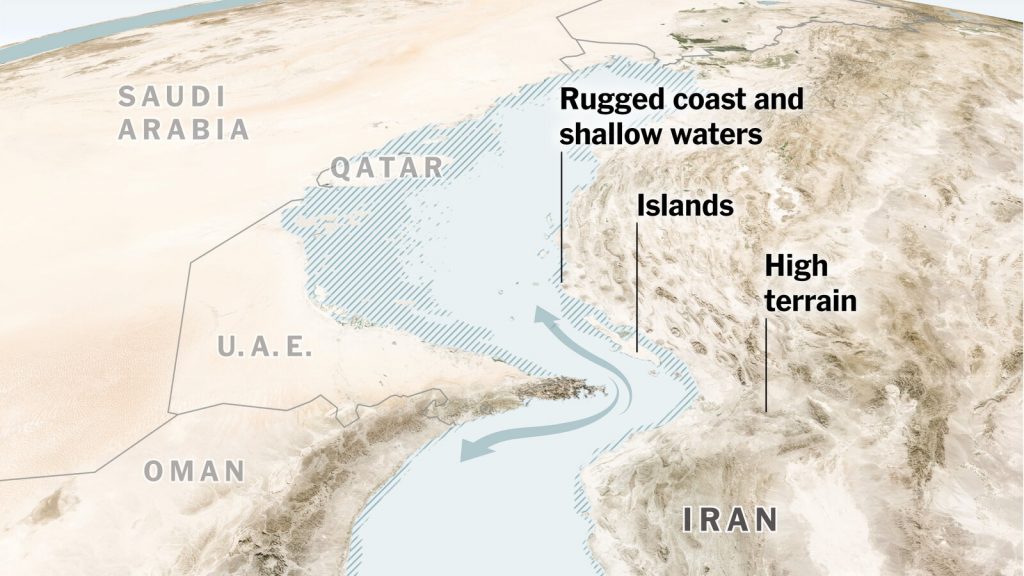
The closure of the Strait of Hormuz amid the escalating unrest in West Asia highlights how dependence on a single transit route can encourage aggressive military strategies. By contrast, diversified networks, including pipelines, can help constrain and moderate the behaviour of sovereign states.
The US-Iran conflict in 2026 has disrupted trade and energy flows through the Strait of Hormuz, triggering wider economic disruptions across regional and global markets.
Unlike the Strait of Hormuz, other important sea lanes such as the Strait of Malacca have alternative routes, such as the Sunda and Lombok straits, through which international trade could traverse. When Houthi rebels targeted ships in the Bab el-Mandeb Strait, many commercial vessels took a long route via the Cape of Good Hope to reach the European and Asian markets.
By contrast, for the Persian Gulf, the Strait of Hormuz constitutes the only entry and exit point. Through its blockade of the Strait of Hormuz, Iran not only inflicts pain on the global economy, but also undermines the perception that the United States is the net security provider in the Persian Gulf. For Washington to retain its position in the Middle East, and for the long-term health of the global economy, addressing the Hormuz vulnerabilities is critical.
In the 1980s, Saudi Arabia built the approximately 750-mile East-West oil and gas pipeline network to transport energy resources from the Abqaiq oil processing facility in eastern Saudi Arabia to the Red Sea port of Yanb