


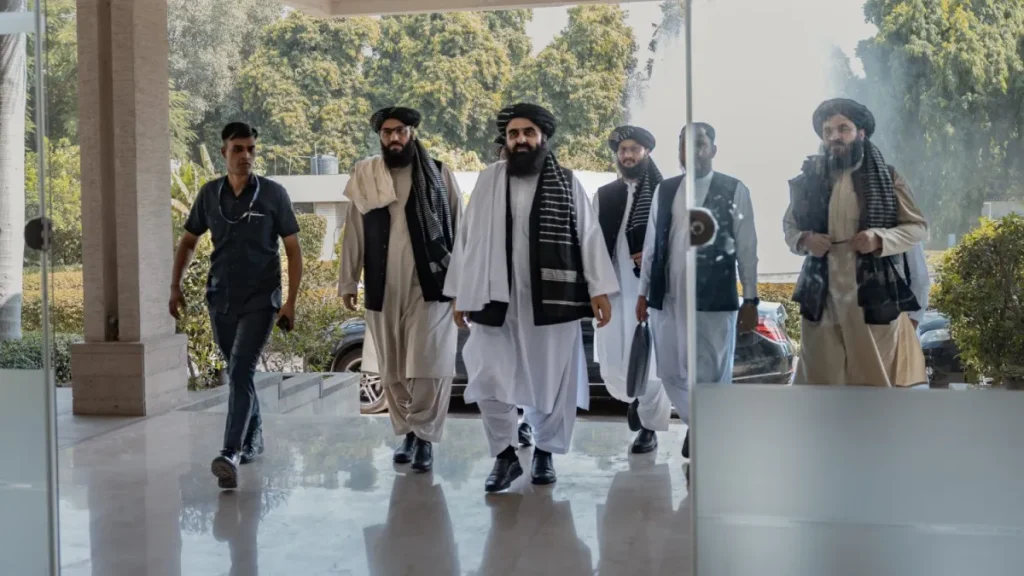
Appointing non-resident ambassadors, or special representatives, and having embassies based outside Afghanistan allows countries to maintain diplomatic relations without reopening their missions in Kabul since the Taliban returned to power in August 2021. Of late, several countries, including Belarus, Nicaragua, and Norway, have appointed nonresident ambassadors to Afghanistan while the United States and Spain have based their embassies in Doha.
Some European countries continue to address Afghanistan-related issues through special representatives. Former diplomats told the TV news website that appointing non-resident ambassadors allows countries to maintain diplomatic relations without reopening their embassies in Kabul. They can engage in dialogue with the authorities in Kabul and follow up on political, economic, and security issues without granting formal recognition to the regime. Meanwhile, five foreign Ambassadors – from China, Uzbekistan, the United Arab Emirates, Qatar, and Belarus – have presented their credentials in Kabul.
Four countries have so far accepted the credentials of Afghan Ambassadors at the official level – China, the United Arab Emirates, Uzbekistan, and Russia. The United Nations and its member-states, except Russia, refuse recognition, urging the Taliban to uphold human rights in Afghanistan, especially of women, as well as to “uphold international obligations”. Russia is currently the only country having granted recognition to the Taliban regime.
Many countries and the United Nations continue to refer to the Taliban as Afghanistan’s “de facto authorities”. In August this year, Farhan Haq, deputy spokesperson for the UN Secretary-General, said there was currently “no movement” among member-states towards recognising the Taliban. In a separate report on Friday, the London-based news channel quoted Henna Virkkunen, Executive Vice-President of the European Commission, that the body has not recognised the Taliban and that any change in relations with the group would depend on significant progress in human rights, particularly women’s rights.
She was reacting to a statement by Baktash Siawash, a former Afghan lawmaker, at the European Parliament, alleging that the European Union and the international community were applying double standards towards Afghanistan. Siawash called for the recognition of gender apartheid, an end to diplomatic relations with the Taliban, and the group’s designation as a terrorist organization