


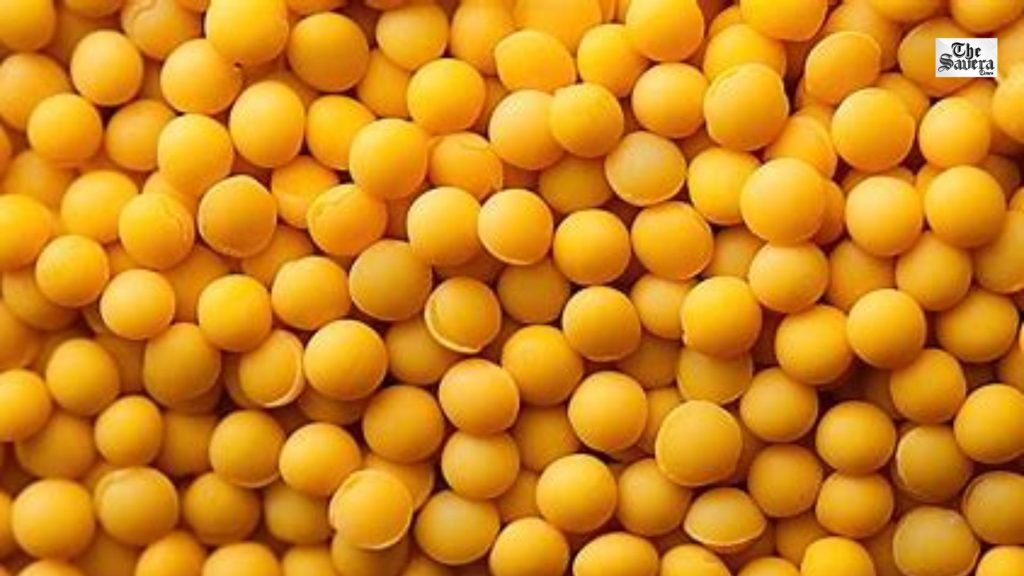
The Centre has again extended the duty-free import window for yellow peas and urad (black gram) until March 31, 2027, in an effort to control pulse prices and ease pressure on household food budgets. The minimum import price and port restrictions for yellow peas have also been removed, allowing traders to source the commodity more freely from the global market. The decision comes amid continuing tensions in west Asia and wider concerns about global food prices. In India, the price of pulses is closely linked to household spending, particularly for poorer and middle-income families. Any sharp rise in pulse prices can quickly disrupt kitchen budgets.
According to the latest notification from the Directorate General of Foreign Trade, which falls under the Union Ministry of Commerce and Industry, traders will be able to import yellow peas and black gram without major restrictions until March 31, 2027. The move is aimed at increasing domestic supply and keeping food inflation in check.
The government has offered significant relaxations for yellow peas. The removal of the minimum import price means traders can buy from the global market at more competitive, or cheaper, rates. Port restrictions have also been lifted, allowing yellow pea shipments to enter India through any port. The exemption will apply to all shipments with a bill of landing issued on or before March 31, 2027. Traders will need to register under the Import Monitoring System. The easing of rules is expected to increase the supply of yellow peas in the domestic market and help keep prices under control.
The government has also extended the free import policy for black gram, or urad dal, by one year. The facility was earlier valid until March 2026, but will now remain in place until 31 March 2027.
Urad dal is among the most widely consumed pulses in Indian households. It is used not only in everyday dal but also in foods such as idli and dosa. The extension is intended to prevent shortages and sudden price spikes in the market.