


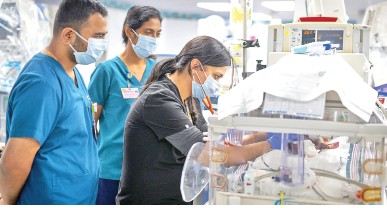
Neonatal seizures are among the most serious medical emergencies affecting newborns. Occurring within the first 28 days of life, these seizures often signal an underlying problem in the brain and require immediate medical attention. Unlike seizures in older children or adults, neonatal seizures can be subtle and easily missed, yet their impact on a child’s long-term development can be profound. Early diagnosis and timely treatment are critical to protecting the developing brain and ensuring healthier outcomes for affected children.
The newborn brain is in a crucial stage of development. During this period, neural connections are rapidly forming, laying the foundation for motor skills, cognition, speech, and behavior. When seizures occur, they disrupt normal brain activity and may cause injury if left untreated. Even brief or mild seizures can interfere with brain maturation, making early intervention essential. Delayed or inadequate treatment increases the risk of long-term neurological complications.
Neonatal seizures can have multiple causes, including birth asphyxia (lack of oxygen during delivery), infections such as meningitis, metabolic imbalances like low blood sugar or calcium levels, brain malformations, and genetic disorders. In some cases, seizures may be the first visible sign of a serious underlying condition. Treating the seizure alone is not enough; identifying and addressing the root cause early can prevent further brain damage and improve survival and developmental outcomes.
One of the challenges in managing neonatal seizures is that they do not always present as dramatic convulsions. Newborns may show subtle signs such as lip smacking, abnormal eye movements, stiffening of limbs, sudden pauses in breathing, or repeated jerky motions. Because these signs can be mistaken for normal newborn behavior, seizures may go unnoticed without careful observation and medical evaluation. This makes awareness among parents, caregivers, and healthcare workers especially important.
Early treatment of neonatal seizures has been shown to reduce the risk of long-term complications such as epilepsy, cerebral palsy, developmental delay, learning difficulties, and behavioral disorders. Prompt use of appropriate anti-seizure medications helps control abnormal electrical activity in the brain, minimizing further injury. Equally important is the rapid correction of underlying problems, such as restoring oxygen supply, treating infections, or correcting metabolic abnormalities.
Delaying treatment can have serious consequences. Repeated or prolonged seizures increase the likelihood of permanent brain damage, as the newborn brain is particularly vulnerable to stress and oxygen deprivation. Untreated seizures can also lead to feeding difficulties, poor weight gain, delayed milestones, and impaired sensory and motor development. In severe cases, failure to treat neonatal seizures promptly can be life-threatening.Early intervention also allows for better long-term planning and support.
When seizures are diagnosed and treated early, doctors can closely monitor the child’s development, provide rehabilitation services if needed, and guide parents on follow-up care. Early physiotherapy, occupational therapy, and developmental support can significantly improve outcomes for children who experienced seizures as newborns. Parents who receive timely guidance are better prepared to support their child’s needs and recognize warning signs in the future.Parental awareness plays a key role in early treatment. Parents should seek immediate medical attention if they notice unusual movements, repeated stiffness, unexplained jerking, or changes in breathing or responsiveness in a newborn. Trusting instincts and acting quickly can make a crucial difference. Hospitals and healthcare systems must also ensure that neonatal units are well-equipped with trained staff, monitoring tools, and clear protocols for managing seizures.
Preventive care is equally important. Proper prenatal care, safe delivery practices, timely management of high-risk pregnancies, and early treatment of maternal infections can reduce the risk of neonatal seizures. Screening for metabolic disorders and close monitoring of newborns with risk factors further strengthens early detection and intervention.In conclusion, neonatal seizures are a medical emergency that must be treated at the earliest possible stage of a child’s life. Early diagnosis and prompt treatment protect the developing brain, reduce the risk of lifelong disabilities, and improve survival and quality of life. By increasing awareness, strengthening healthcare response, and encouraging timely medical care, we can ensure that children affected by neonatal seizures are given the best possible start in life.