


India’s environmental pollution has emerged as one of the country’s most pressing public health and development challenges, affecting millions of people through deteriorating air quality, contaminated water, mounting waste and the degradation of natural ecosystems. Rapid urbanisation, industrial expansion, rising energy consumption and inadequate waste management have intensified pollution across cities, towns and rural areas. The consequences extend beyond environmental damage, contributing to respiratory illnesses, cardiovascular diseases, reduced agricultural productivity and growing pressure on public infrastructure. While India has introduced several initiatives to tackle pollution, the scale of the problem continues to challenge policymakers, industries and communities. Air pollution is among the most visible environmental problems in India, particularly during the winter months when several cities experience hazardous levels of particulate matter. Delhi and other parts of the National Capital Region frequently face severe pollution episodes, with emissions from vehicles, industries, construction activities, road dust and seasonal crop residue burning contributing to deteriorating air quality. Particulate matter, especially PM2.5, can penetrate deep into the lungs and enter the bloodstream, increasing the risk of serious health conditions. Children, older people and individuals with existing respiratory or cardiovascular illnesses are particularly vulnerable. The problem is not limited to northern India. Industrial emissions, vehicle exhaust and the burning of solid fuels contribute to poor air quality in several urban and rural regions across the country. Growing demand for electricity, transportation and industrial production is adding to the challenge. Although cleaner energy sources are expanding, coal continues to play a major role in India’s power generation, making the transition towards cleaner energy an important part of the country’s pollution-control strategy. Water pollution is another major environmental concern, with untreated sewage, industrial discharge and agricultural runoff contaminating rivers, lakes and groundwater sources. Several rivers, including stretches of the Ganga and Yamuna, face pollution from domestic wastewater, industrial effluents and the disposal of solid waste. In many cities, inadequate sewage-treatment capacity and poorly maintained drainage systems allow pollutants to enter water bodies. Contaminated water increases the risk of waterborne diseases and can affect drinking-water supplies, fisheries and agricultural activities. Excessive use of fertilisers and pesticides can also contribute to groundwater contamination, while industrial chemicals and heavy metals pose additional risks in areas with inadequate monitoring. Despite investments in rivercleaning programmes and wastewater infrastructure, effective implementation remains a challenge. Experts have repeatedly emphasised the need for stronger enforcement, improved sewage treatment and regular monitoring of industrial discharge. The increasing consumption of plastic, particularly single-use packaging, has added to India’s waste-management burden. Plastic bags, bottles and packaging materials frequently accumulate in streets, drains, rivers and coastal areas, where they can harm wildlife and break down into smaller particles. Rapid urbanisation has increased the volume of municipal waste generated every day. However, collection, segregation, recycling and scientific disposal remain inadequate in several areas. Open dumping and the burning of garbage can release toxic pollutants into the air, while overflowing landfills can contaminate surrounding soil and groundwater. Although India has introduced measures to restrict certain singleuse plastics and promote waste segregation, their effectiveness depends on consistent enforcement, better recycling infrastructure and greater public participation. Environmental pollution is closely linked to climate change, which is increasing the frequency and intensity of extreme weather events and adding to the pressure on natural resources. The burning of fossil fuels releases greenhouse gases, while industrial emissions and other pollutants contribute to environmental deterioration. Rising temperatures can also worsen air pollution by increasing the formation of ground-level ozone and intensifying the effects of heatwaves. Deforestation, mining and unplanned construction are further affecting India’s ecosystems. The loss of forests and wetlands reduces biodiversity, weakens natural carbon absorption and increases the vulnerability of communities to floods and other environmental hazards. Agricultural practices also contribute to environmental pressures. Crop residue burning, excessive chemical fertiliser use and the depletion of groundwater have created challenges for farmers and rural communities. Addressing these issues requires sustainable agricultural practices, improved resource management and support for farmers adopting cleaner alternatives. India has introduced several initiatives to address environmental pollution, including the National Clean Air Programme, the Swachh Bharat Mission and river-cleaning projects. The expansion of renewable energy, electric mobility and waste-processing infrastructure also offers opportunities to reduce pollution. However, environmental experts have emphasised that stronger enforcement of existing regulations, better coordination between government agencies and greater investment in pollutioncontrol infrastructure are essential for meaningful progress. Industries need to adopt cleaner production methods, while urban local bodies must improve waste collection, sewage treatment and public transportation. Expanding green spaces, protecting forests and wetlands, and promoting water conservation can also help reduce environmental pressures. Public participation remains equally important. Responsible waste disposal, reduced plastic consumption, energy conservation and the use of public transport can contribute to cleaner surroundings.
India struggles to curb mounting pollution
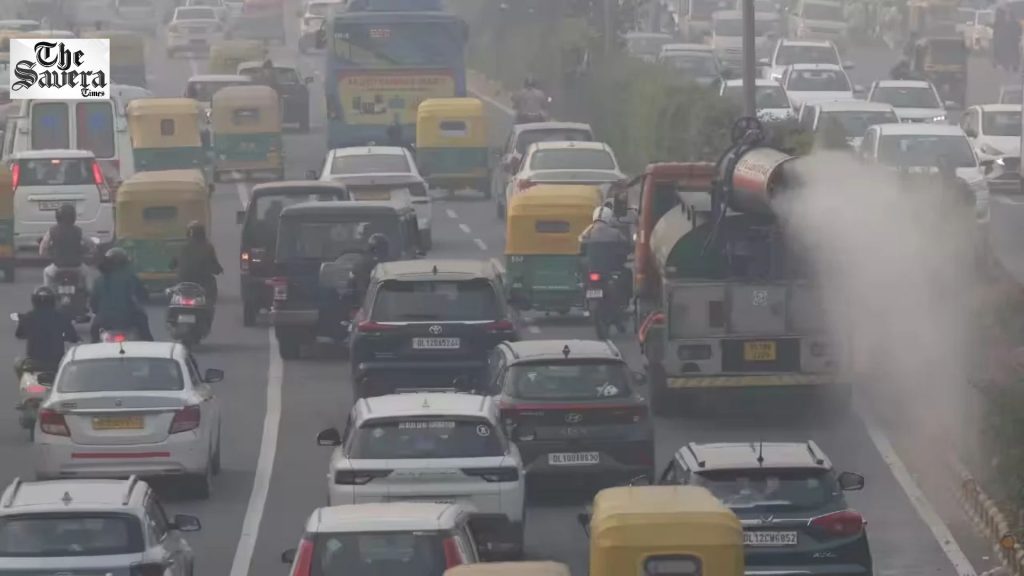
India struggles to curb mounting pollution