


Dengue, a mosquito-borne disease, affects millions of people every year across Asia, Africa and Latin America. And it’s expanding geographically as warmer temperatures and urban growth allow mosquito populations to thrive in new regions.
At first glance, dengue seems like an obvious candidate for vaccination. It is caused by a virus. Infection triggers an immune response. Vaccines against similar viruses already exist.
But dengue is complicated. It is not caused by just one virus, but by four closely related ones known as serotypes. When someone is infected with one, the immune system usually protects them against that specific type — but not against the other three. In some cases, a previous infection can actually make a new infection happen more easily.
Little wonder that dengue is one of the most common mosquito-borne viral diseases in the world. Scientists estimate that around 390 million infections occur every year, and it’s an important public health concern in Africa.
Currently, one dengue vaccine is established in global clinical use. Dengvaxia is only for use if a person has been infected before. A newer vaccine — TAK-003 — has been recommended by the World Health Organization for use in children aged 6-16 years in settings with high dengue transmission, regardless of prior infection status. It is administered in two doses. Additionally, next-generation vaccines are being developed, including one in Brazil.
Overall, vaccine performance still varies depending on factors such as prior infection, age and transmission intensity, meaning that vaccination strategies must be carefully tailored to each population.
Dengue outbreaks and evidence of transmission have been documented in Kenya, Tanzania, Sudan, Senegal and Ivory Coast. It may be even more widespread on the continent than previously recognised, partly because testing and surveillance systems are still developing in many regions.
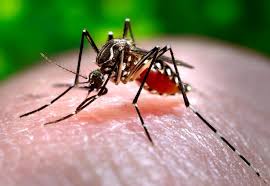
The disease spreads through the bite of infected Aedes mosquitoes, particularly Aedes aegypti. These mosquitoes breed in standing water, which is often near where people live. Dengue symptoms include high fever, headache, pain behind the eyes, muscle and joint pain, nausea and rash. Most people recover within about a week, but in some cases the infection can become severe and lead to bleeding, organ damage or shock. Transmission tends to increase during rainy seasons, when mosquito populations expand.