


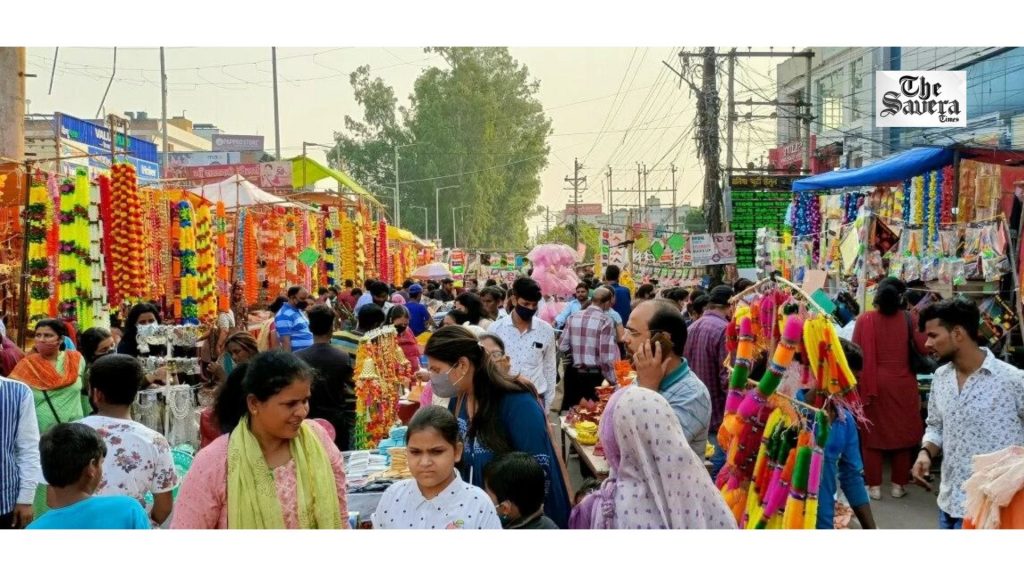
Before we discuss the retail markets, the Indian stock market has been steadily falling since the Reserve Bank of India raised the repo rate by 0.25 percent in its latest monetary policy announcement to combat inflation. Now, in the real markets, festivals are when traders seek to maximize their annual earnings by selling as much stock as possible during the festive season. However, this time, the flames of inflation have flared up right from the beginning of the festive season, during the sacred days of Navratri.
Inflation data shows that food items alone have become more expensive by 7.75 percent. Retail inflation has risen from 4.82 percent to 5.54 percent. Inflation has been rising steadily for the past 11 months. Essential vegetables like onion, ginger, and garlic are also facing rising prices. High crude oil prices, coupled with a lack of adequate supply due to a weak monsoon, are also a crisis. It’s the festive season, but sugar prices are threatening to skyrocket.
Sugar has become 15 percent more expensive. One reason is that sugarcane growers in Maharashtra have suffered adversely due to the vagaries of the weather. With the rise in sugar prices, the prices of sweets, cakes, and pastries were bound to rise as well. Companies, unwilling to lose customers during these holy days, are trying various methods to appease them. Old stock is being sold at the old price. Selling goods on EMI offers up to 30 interest-free installments, up from 12 previously. Previously, only two out of ten companies offered this, but now 7-8 out of 10 have adopted this approach.
Processing fees are being waived, discounts are being offered, options are being offered to exchange new equipment for old equipment, and banks are offering up to 20% cashback on their deals. It’s clear that these measures are adopted when it’s feared that the market will become dry and a recession will set in during the festive season. While this may keep the markets somewhat lively, the bumper profits traders were hoping for seem unlikely. Now, it seems as if there will be an attempt to liquidate accumulated stock.