


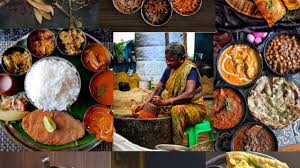
Food is more than nourishment; it is a powerful expression of cultural identity. Recipes, cooking methods, and shared meals carry histories and values across generations. In a globalized world, food traditions play a crucial role in preserving cultural heritage and fostering social connection.
Every culture has distinctive food practices shaped by geography, climate, and history. Ingredients reflect local environments, while preparation methods evolve from necessity and creativity. These traditions encode knowledge about survival, health, and community life.
Food rituals often mark important life events. Celebrations, festivals, and religious observances are accompanied by specific dishes. These meals reinforce collective memory and shared identity. Preparing and sharing traditional food strengthens bonds among family and community members.
Migration has spread food traditions across borders. Immigrant communities often preserve cultural identity through cuisine. Traditional foods become symbols of belonging in unfamiliar environments. Restaurants and home kitchens serve as spaces where heritage is maintained and shared.
Globalization has increased access to diverse cuisines, enriching food culture worldwide. However, it also threatens traditional practices. Fast food and industrialized diets can displace local food systems. Preserving food traditions requires conscious effort and cultural pride.
Food traditions also contribute to intergenerational learning. Recipes passed down orally teach skills, values, and history. Cooking together fosters communication between generations. This transmission strengthens cultural continuity. Economically, traditional food practices support local livelihoods. Small-scale farmers, artisans, and vendors rely on heritage foods. Protecting these systems promotes sustainable agriculture and cultural diversity.Modern movements emphasize the importance of slow food and local cuisine. These initiatives advocate for mindful eating, environmental sustainability, and respect for cultural heritage. They highlight food as a connection between people and place. Food also serves as a bridge between cultures. Sharing meals encourages dialogue and understanding.