


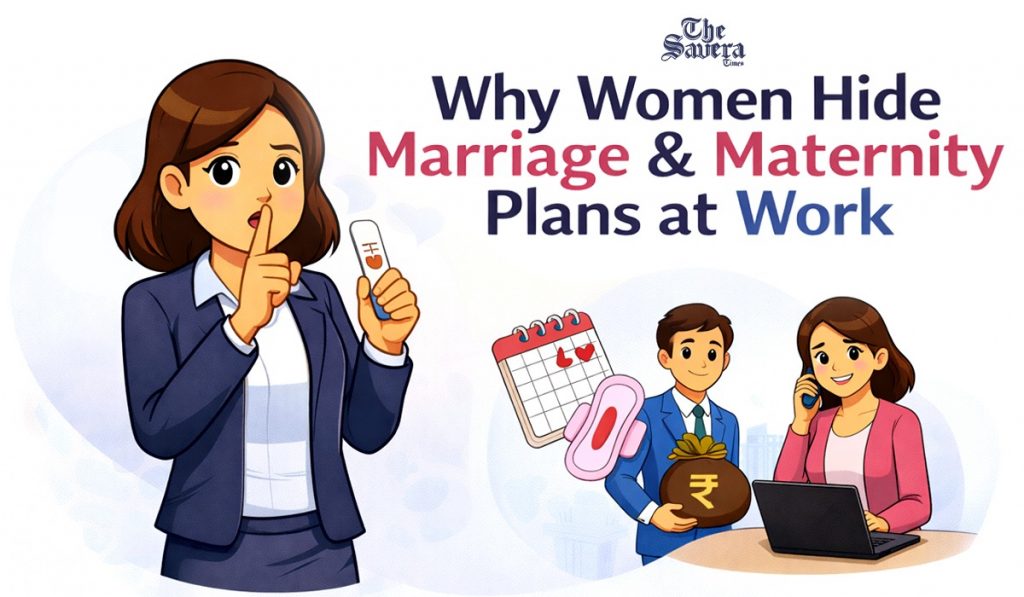
Despite progress in workplace equality and inclusion, many women around the world continue to face gender pay gaps and bias in hiring and promotions realities that shape how they navigate their careers. A recent survey shows these concerns aren’t just abstract statistics, but tangible factors that influence women’s decisions, including whether to disclose personal details such as marriage or maternity plans during job interviews.
Understanding the Gender Pay Gap
The gender pay gap refers to the average difference in earnings between women and men across a workforce. Globally, women often earn less than men due to a complex mix of societal, economic, and workplace factors sometimes even when they have similar qualifications or roles. These gaps persist despite laws in many countries that mandate equal pay for equal work.
A key contributor is the so‑called “motherhood penalty.” Studies show that women with children often earn less than childless women or men because child‑rearing responsibilities and career breaks affect long‑term earnings, promotions, and experience accumulation. This penalty can persist long after maternity leave ends.
Another structural issue is occupational segregation women tend to be overrepresented in lower‑paid sectors or roles, such as caregiving, education, or service jobs, while men dominate higher‑paid industries like tech and finance. When women are crowded into lower‑paid occupations, average wages for those fields often remain low, reinforcing the wage gap.
Survey Insights: Perceived Bias and Pay Parity
According to a recent Naukri “Voices @ Work” survey of over 50,000 women professionals, a significant portion of women feel that pay parity is still absent in their workplaces. Around 34% reported that they did not see equal pay for similar roles, and this lack of confidence in compensation fairness has grown compared to the previous year.


Alongside pay disparities, workplace bias particularly in hiring and promotions remains a prevalent issue. In fact, about 42% of women identified bias as the biggest career challenge, ahead of limited leadership opportunities and mentorship gaps.
This bias is not limited to pay. Many women report that perceptions about their personal life, especially marriage and maternity, influence how employers view them, which in turn affects hiring decisions. One in two women in the survey said they avoid disclosing their marriage or maternity plans during job interviews out of fear that it might disadvantage their chances. Around 34% cited bias as the main reason for withholding such information.

Why Some Women Hide Personal Plans
The decision to hide personal information like marriage or maternity plans is rooted in deep‑seated workplace biases. Employers may consciously or unconsciously associate women’s family commitments with reduced availability, higher risk of job interruptions, or lower long‑term investment in the role. This can lead to perceptions of higher cost or lower commitment compared with male candidates. Consequently, many women believe that revealing such plans too early could negatively affect their job prospects or offer negotiations.


This concern grows stronger with experience. While younger professionals are less likely to hide personal details, a higher share of mid‑career women (10–15 years’ experience) express reluctance to disclose marriage or potential maternity, largely because these life events often coincide with critical career milestones.
Impact on Career Trajectories
Hiding personal plans or altering how women present themselves at work is not just a short‑term coping strategy it reflects underlying structural barriers. Women who feel the need to mask aspects of their personal lives are often doing so to avoid being judged as less capable or committed, which can limit their opportunities for advancement, secure pay, and leadership roles.
At the same time, the survey found that encouragement to pursue leadership roles is increasing, with 83% of women saying they feel motivated to take on leadership positions up from 66% the previous year. This suggests that while bias persists, more women are challenging stereotypes and aiming higher in their careers.
Seeking Solutions: Transparency and Policy Change


Addressing the gender pay gap and fears around disclosures requires a multi‑pronged approach:
-
Equal pay audits and transparency can help organisations identify and correct inequities in compensation.
-
Stronger anti‑bias training and inclusive hiring practices can reduce assumptions about family life and career commitment.
-
Supportive workplace policies, such as flexible work arrangements, equitable maternity/paternity leave, and career re‑entry programs, can help close gaps and retain women in the workforce.
Many experts believe that systemic change not just isolated policies are essential to ensure that women feel safe to be open about both their professional and personal aspirations without fear of bias or penalty.
Conclusion
The gender pay gap persists not merely as a statistic, but as a lived experience for many women shaping how they approach job interviews, career growth, and personal life disclosures. While progress in workplace equality continues, persistent bias and structural inequalities mean that many women still hide marriage or maternity plans to protect their professional opportunities. Addressing these challenges requires genuine commitment from employers, policymakers, and society to build more transparent, equitable, and supportive workplaces