


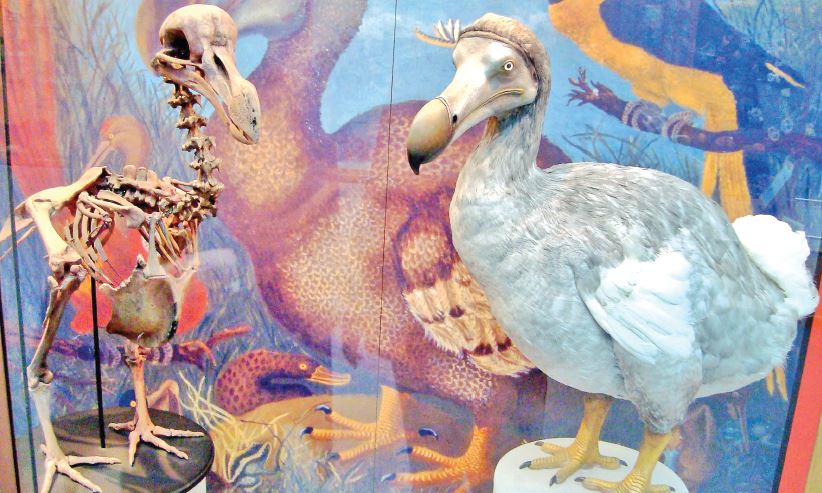
More than 400 years after the dodo, a flightless bird native to Mauritius, vanished from the planet, scientists may be on the verge of restoring the species. A breakthrough announced by Colossal Biosciences, a Texas-based biotechnology company, has raised the possibility that the dodo could once again walk the forests of Mauritius.
The dodo, scientifically known as Raphus cucullatus, has long stood as a symbol of extinction. Dutch sailors first documented the bird in 1598, noting its unusual size and inability to fly. Fossil evidence and later studies suggest that the dodo evolved from pigeon-like ancestors. By the mid-17th century, the combination of habitat destruction and the introduction of invasive species such as pigs, macaques, and rats led to the bird’s disappearance. Estimates place the last reliable sighting between 1662 and 1680.
Today, most depictions of the dodo are based on reconstructions, as precise details about its plumage and coloration remain unknown. Research indicates the bird likely stood around 70 centimetres tall, weighed about 12 kilograms, and had feathers ranging from light grey to dark brown. Despite uncertainties, the dodo remains a cultural icon, popularised in literature and media as a plump and clumsy creature.
Colossal Biosciences has now announced significant progress in its attempts to bring the dodo back. The company’s scientists have successfully cultured specialized cells from the rock dove, or common pigeon, and aim to replicate the process with the dodo’s closest living relative, the Nicobar pigeon. Gene-edited chickens will serve as surrogates, injected with primordial germ cells from the Nicobar pigeons. These cells, once modified to replicate the body and head structure of the dodo, are expected to produce offspring genetically similar to the extinct bird.
The company estimates that it may take five to seven years before the first dodos could be born. The process is complex because birds develop inside eggs, meaning both male and female genetic contributions must be engineered across two generations. Colossal has indicated plans to ensure sufficient genetic diversity to allow future populations to survive in natural habitats. Simultaneously, the company is collaborating with wildlife groups to identify safe, rat-free locations in Mauritius for reintroduction.
This initiative forms part of a broader effort in de-extinction led by Colossal, which has also focused on species such as the woolly mammoth, the moa of New Zealand, and the dire wolf. The company has drawn attention for both its ambitious goals and its high-profile backers.
Despite the optimism, some experts remain cautious. Critics argue that even with advanced genetic engineering, recreated dodos may be hybrids rather than true representatives of the extinct species. Questions persist about how closely these birds would resemble the original dodos genetically, behaviorally, and ecologically. There are also concerns that de-extinction projects could divert attention from protecting species that still exist and addressing the environmental factors that threaten them.
Proponents, however, argue that the dodo revival represents a meaningful step for conservation, offering new methods to preserve biodiversity and inspire public interest in endangered species. Colossal executives maintain that the goal is to restore a species with ecological and educational value, while acknowledging the controversies surrounding genetic recreation.
While the first dodos may not appear for several years, the project signals a turning point in conservation science. Beyond its symbolic significance, it reflects growing capabilities in genetic engineering and the challenges of balancing technological ambition with ecological responsibility. Whether the dodo returns as a true ecological participant or a genetically modified symbol, the world watches closely as an extinct species prepares to make an unprecedented comeback.