


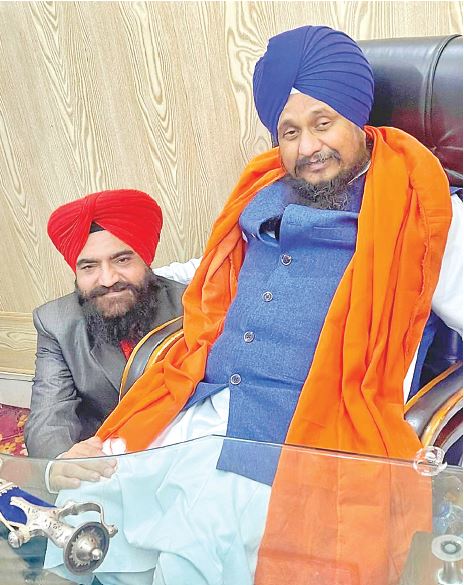
The new president of the breakaway Shiromani Akali Dal (SAD) faction, Giani Harpreet Singh, has wasted little time in making his political line clear. Since his election on August 11, 2025, his social media posts—particularly on X—have been marked by unrelenting attacks on the central government, often couched in the language of Sikh victimhood and Punjab’s neglect. From accusing New Delhi of conspiring to drown Punjab during this year’s floods to demanding parole for convicted militants like Jagtar Singh Hawara, his rhetoric is unmistakably aimed at stirring resentment against the Union.
What is striking, however, is the imbalance in his criticism. The Punjab government, equally culpable in flood mismanagement and administrative lapses, barely figures in his posts. The state’s ruling class escapes almost unscathed. Instead, the focus remains squarely on the “Delhi establishment,” ensuring his message resonates with diaspora audiences and radical elements abroad, particularly in the United States, where his family is in the process of settling.
This tendency to pander to extremists is not new. Singh has repeatedly voiced support for figures like Balwant Singh Rajoana (convicted in the Beant Singh assassination), Jagtar Singh Hawara (Babbar Khalsa leader, convicted in the same case), and even Sandeep Singh Sunny, the candidate backed by radical group Waris Punjab De in Tarn Taran. Such positions align him less with mainstream Sikh political sentiment and more with fringe, separatist voices that seek legitimacy through victimhood politics.
His personal associations deepen these concerns. Since 2017, Giani Harpreet Singh has travelled to Pakistan at least eight times, cultivating ties with controversial individuals like Gopal Singh Chawla, known for his Khalistani leanings and proximity to Pakistan’s deep state. In 2020, Singh publicly declared that “all Sikhs want Khalistan,” a sweeping generalisation that dismissed the diversity of Sikh opinion. In 2022, he went further, urging Sikh youth to “prepare for arms training”—a statement more in line with militant mobilisation than democratic politics.
Overlaying this is his frequent travel to the United States, where he spends significant time engaging with diaspora groups. Reports indicate his family is now in the process of settling there permanently. The pattern suggests a leader who is increasingly under the influence of overseas Khalistani networks—networks that have long thrived in North America and Western Europe and are notorious for financing separatist propaganda.
For Punjab, this is a dangerous trajectory. A state already burdened with agrarian distress, drug abuse, and outmigration does not need a revival of the divisive rhetoric of the 1980s and 90s. Singh’s selective outrage against the Centre while shielding the state government, his glorification of convicted terrorists, and his alignment with radical overseas groups threaten to derail the possibility of a sober, constructive dialogue about Punjab’s genuine issues.
Punjab’s people deserve leadership that focuses on solutions, not slogans; on healing, not reopening old wounds. Giani Harpreet Singh’s current path, however, risks turning a political faction into a megaphone for diaspora-driven separatism, with consequences that could once again destabilize the border state.