


Abhishek Vij
There is no sign of an end to the war between Iran and Israel-USA in West Asia. Iran is maintaining a tough stance, saying, “No one should ask us for a ceasefire. We have plenty of missiles left and will continue fighting at the same pace for the next six months.”
The US has also shown no signs of softening its stance, leaving no room for any negotiations for a ceasefire. The war has directly impacted oil and gas supplies in most countries around the world. Similarly, oil supply containers are stranded in the Strait of Hormuz. In Europe, queues of vehicles are waiting outside petrol pumps to refuel. Pakistan has faltered, imposing restrictions on 60 percent of its oil consumption, asking half its employees to work from home. While the Indian government has repeatedly clarified that it will not allow an oil shortage in the country, this assurance cannot be given for LPG.
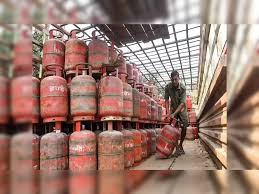
The prospect of a shortage is clearly visible here. In addition to the price increase on domestic and commercial gas cylinders, a 25-day deadline has been set for domestic gas refills, as it has been observed that many consumers have started booking their gas reserves within 15 days. The Bangalore Hotel Association has stated that if the gas supply situation remains the same, hotels will be forced to close. The National Association of Restaurants has also expressed grave concern over the disruption in gas supply. The government has imposed the Essential Commodities Act across the country to prevent hoarding of essential commodities.
In addition to warring Iran, Middle Eastern oil countries Iraq and Saudi Arabia have announced reductions in oil production. Crude oil prices have declined slightly, but they remain well above normal. Crude oil, which was $70 per barrel before the war, reached $100 per barrel within 10-12 days. Petrol and diesel prices in India remained unchanged, but it is being said that if crude oil reaches $130 per barrel, it will be difficult for the Indian government and companies to sustain losses. India will then be forced to raise petrol and diesel prices.
PM Narendra Modi met with Petroleum Minister Hardeep Singh Puri and External Affairs Minister S. Jaishankar and discussed increasing oil and gas supplies. Petroleum companies in India have been instructed to increase production, but this will not immediately improve the situation, as India imports most of its oil and gas from abroad. We also import a large portion of our gas needs from Qatar, but now supplies from there are unlikely to be sufficient, as Qatar has also reduced production. The situation is spiraling out of control.
The stock market is crashing. The Indian rupee recorded a record drop of 39 paise on Monday, reaching 92.21 against the dollar. This means that due to the falling exchange rate, oil purchases from other countries will also become more expensive. The only solution to this situation is an immediate end to the war. However, both sides are unwilling to do so; instead, they are urging their respective allies to jump into the fray. The supply route through the Strait of Hormus is blocked. Iran has made it clear that it will not allow even a drop of oil to pass through it.
Therefore, the supply of oil and gas through that route is currently impossible. Now, no matter how much the government offers reassurance, the demon of essential goods shortages stands at the doorstep of the countrymen. Uncontrolled inflation is threatening to ruin household budgets.