


As Bangladesh grapples with rising incidents of violence involving children, the recent murder of 13-year-old Ishayat Shahriar Apratim in Cumilla district has once again highlighted the vulnerability of children to violence and juvenile crime across the country. It noted that with questions mounting surrounding the circumstances that led to his death, the case has also intensified wider concerns over adolescent gang culture, family and social environments, school intervention, online influences and the limitations of law enforcement. Experts examined the factors driving juvenile crime, why gang culture is gaining a foothold among adolescents, and what families, schools, communities and the state need to do to prevent vulnerable children from being drawn into serious violence across Bangladesh. A I Mahbub Uddin Ahmed, honorary and supernumerary professor at Dhaka University, said that poverty and unemployment are among the underlying forces behind the worsening situation in Bangladesh. He said rising school dropouts, child labour and child marriage expose how broader failures at the macro level affect individuals and families The solution, therefore, cannot lie in policing alone. We must address the conditions that shape behaviour from childhood: the family, education, economic opportunity and the wider social environment. Unless these foundations are strengthened and young people are given positive alternatives, violence and crime will continue to emerge as symptoms of deeper social and institutional failures. A kind of gang culture has emerged among adolescents, and social media has played a role in this. Whether it is TikTok, Facebook, Instagram or YouTube, technology has created an environment where young people want to grow up quickly, display aggression or appear ‘cool’. The government must also tackle the economic and social factors that make children vulnerable to such groups, including poverty, unemployment, school dropouts, child labour and the lack of safe spaces for recreation across Bangladesh. Ultimately, preventing juvenile crime requires coordination between families, schools, communities, law-enforcement agencies and the state. If these institutions work separately, the problem will continue to reproduce itself. If they work together, intervention can begin before vulnerable children become involved in serious crime. On the other hand, as custodial deaths continue to rise in Bangladesh, at least 132 prisoners have died in the first eight and a half months of 2026 across the country, raising renewed questions about overcrowded jails, inadequate healthcare and official accountability. Citing official statements and rights groups, it said prisoners have been dying almost daily in different parts of the country, with the number of reported deaths reaching four on some days, heightening concerns over healthcare, emergency medical treatment and prison conditions. Referring to media reports, Pressenza stated that at least 10 prisoners died from reported illnesses during the first 15 days of September alone, bringing the reported toll for the year to at least 132. Among the latest custodial deaths were 54-year-old Mohammad Rafiqul Islam and 60-year-old Abdur Rahim, who died at Dhaka Medical College Hospital on Monday. A day earlier, two inmates of Dhaka Central Jail, Abdul Barek and Abdul Mabud, also died, the report mentioned.
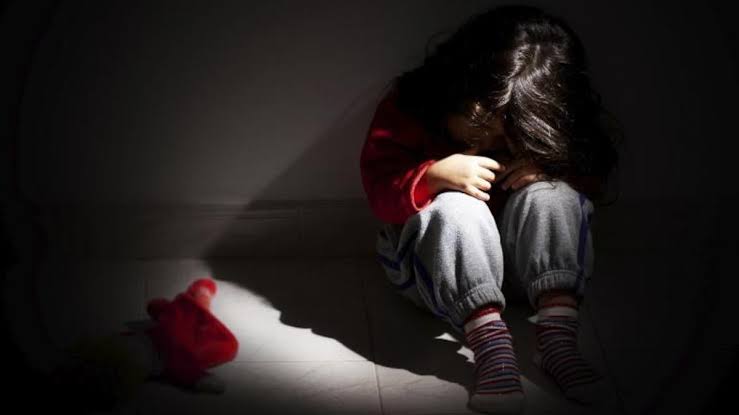
Growing Crisis of Juvenile Violence
Growing Crisis of Juvenile Violence