


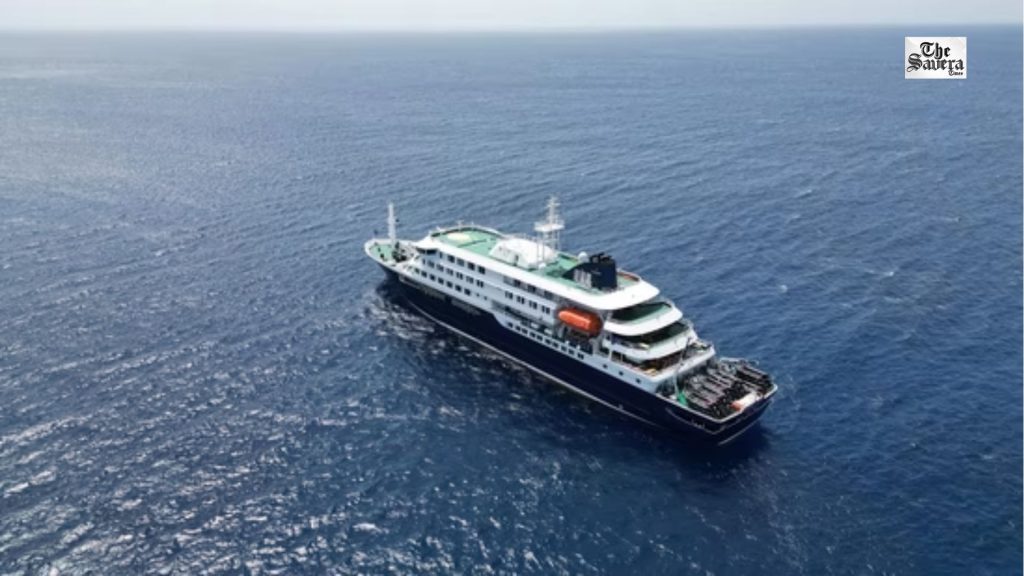
A suspected hantavirus outbreak aboard a cruise ship in the Atlantic Ocean has left three passengers dead, raising concern among health authorities and international agencies. The World Health Organization (WHO) has confirmed that it is closely monitoring the situation and assisting in the ongoing investigation.
Hantavirus is a rare but serious rodent-borne virus that can cause severe respiratory illness in humans. Infection typically occurs through contact with infected rodents or exposure to contaminated environments, particularly through inhalation of airborne particles from rodent droppings or urine.
Here are five key things to know about the situation and the virus:
1. Three deaths reported onboard
At least three passengers have died after showing symptoms consistent with hantavirus infection during the voyage. Medical teams onboard responded quickly, but the severity of illness led to fatalities.
2. What hantavirus is
Hantavirus is a rare but serious rodent-borne virus. Humans typically become infected through exposure to rodent droppings, urine, or saliva, often in enclosed or contaminated environments.
3. Symptoms of infection
Early symptoms include fever, fatigue, muscle aches, and dizziness. In severe cases, the virus can progress rapidly to hantavirus pulmonary syndrome (HPS), which affects breathing and can be fatal.
4. No evidence of human-to-human transmission
Health authorities emphasize that hantavirus does not typically spread between people. Transmission is usually linked to environmental exposure to infected rodents.
5. Investigation and response underway
The WHO and maritime health agencies are investigating how the outbreak occurred onboard the cruise ship. Passengers and crew are being monitored, and containment measures have been implemented to prevent further risk
According to reports, the incident occurred aboard the vessel MV Hondius, where several passengers reportedly showed symptoms consistent with hantavirus infection during the voyage. The outbreak prompted immediate medical response onboard, with affected individuals receiving treatment and isolation measures implemented to prevent further spread.
Health experts note that human-to-human transmission is extremely rare, but the severity of the disease makes early detection critical. Symptoms often begin with fever, fatigue, and muscle aches, and can rapidly progress to respiratory distress in severe cases.
Authorities are currently investigating how the outbreak may have occurred on the cruise ship, including potential exposure sources. The ship’s passengers and crew are being monitored, and precautionary health measures remain in place.
WHO says ‘risk to the wider public remains low’
The WHO has stated that it is working with relevant maritime and health authorities to ensure containment and to prevent further spread of the virus. Further updates are expected as the investigation continues.