


Abhishek Vij
The 350th martyrdom anniversary of Guru Tegh Bahadur Ji, the “Hind di Chadar,” is being celebrated with utmost reverence. A special session of the Punjab Assembly was held in Sri Anandpur Sahib on Monday, commemorating this sacred occasion with utmost reverence. Senior leaders from both the ruling and opposition parties paid their respects, commemorating Guru Tegh Bahadur Ji’s immortal sacrifice. The most significant aspect was that, by remembering Guru Sahib’s sacrifice, the Bhagwant Mann government achieved what had eluded the state for the past 18 years.
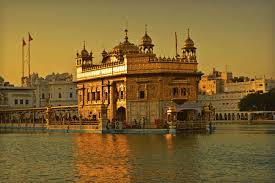
The Punjab government announced the designation of holy cities for Amritsar’s Walled City, the old city located between the 12 gates, Talwandi Sabo, and Sri Anandpur Sahib. The Assembly passed this unanimously. An interfaith committee representing all religious institutions in these holy cities was formed, comprising representatives from all religions. Remember, the three holy Takhts of Sikhism are located at these three locations. Eighteen years ago, in 2007, during the Akali-BJP government, a plan was mooted to declare these three cities holy cities, but time passed without a concrete decision. It is to the credit of the Aam Aadmi Party government in Punjab and Chief Minister Bhagwant Mann that they took this decision.
After being declared holy cities, these cities will adhere to the following provisions to maintain their sanctity. Special security measures will be in place at historical temples, gurdwaras, churches, and other religious sites. Archaeological and heritage conservation laws will be enforced. Alcohol, meat, and tobacco will not be sold at these sites. Meat consumption, especially beef, will be prohibited. Gambling, bars, and nightclubs will be strictly prohibited. Special routes will be established for pilgrims. Fairs, festivals, and religious celebrations will be observed with strict adherence to sacred rules. These rules will be formulated separately. Religious institutions may receive tax exemptions.
Heavy vehicles will not be allowed near religious sites. Sensitive temples and gurdwaras will be declared no-vehicle zones. Pedestrian areas will be developed. E-rickshaws will be available to them, and pollution will be controlled. Anti-pollution laws will be enforced along the river or pond banks.
Industrial activities may be controlled or banned near religious sites. There will be a set limit on the construction of high-rise buildings and commercial complexes. Advertising boards, billboards, and bright lights will be prohibited to maintain a sacred atmosphere in these cities. Previously, these sacred areas lacked such strict regulations. Alcohol, meat, and tobacco were sold in some areas, and there were no special arrangements for the convenience of pilgrims.
But now, the situation will change. The success of this government initiative will depend on the cooperation of religious leaders and ordinary citizens, along with the administration. The session decided that a budget will be released to maintain the sanctity of Sri Anandpur Sahib. Support will be sought from the central government so that the heritage of Sri Anandpur Sahib and other holy cities can be preserved for future generations. Chief Minister Bhagwant Mann reiterated that Punjab University and Chandigarh belong to Punjab, and any attempt to usurp them will be thwarted. He also announced that programs related to the 350th martyrdom anniversary will be organised across the state. Mann said that three of Guru Gobind Singh Ji’s four sons were also born on this sacred land. Their sacrifice is unparalleled in world history. This decision to preserve the heritage and sanctity of these cities is welcome.