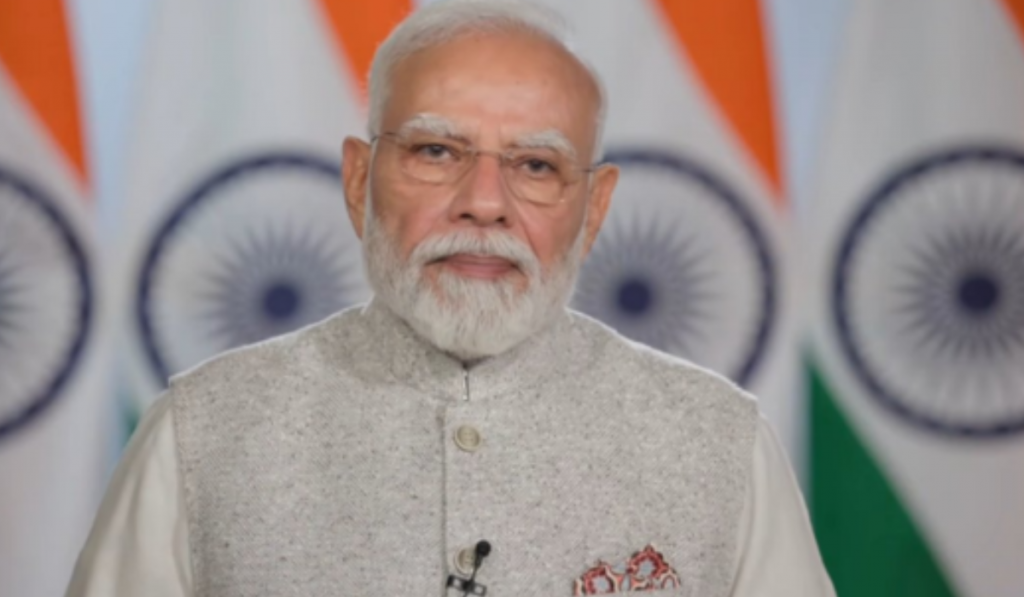
India’s approach to counterterrorism gained a decisive edge after 2014, when Prime Minister Narendra Modi’s government came to power, with a firm resolve to respond strongly to any act of terror. Counterterrorism operations in Jammu and Kashmir received fresh momentum, while measures to prevent infiltration across the Line of Control (LoC) were significantly strengthened. A terror attack on September 18, 2016, by JeM terrorists against an army camp in Uri, Kashmir, led to the first cross-border surgical strikes by the Indian Army, which destroyed multiple terrorist camps and infrastructure in Pakistan. It was not only a strong reply to the terror attack but also signaled a major shift in India’s strategic policy and rules of engagement regarding crossborder terrorism. While it did deter Pakistan to some extent, it did not end its terror campaign. On February 14, 2019, JeM terrorists unleashed another terror attack, this time on a police convoy in Pulwama, Kashmir, killing 40 soldiers. Upping the ante, this time, the Indian Air Force launched strikes on a terror camp of JeM in Balakot, Pakistan, on February 26. It was the first time that the Indian Air Force had crossed into Pakistani airspace to launch a strike against terror. The Pahalgam terror attack of April 22, 2025, which sparked an unprecedented wave of national outrage, marked a turning point in India’s counterterrorism response. Prime Minister Narendra Modi vowed to track those responsible for the horrific Pahalgam terrorist attack “to the ends of the Earth”, and on May 7, the Indian Armed Forces launched Operation Sindoor, striking at the heart of the Pakistan-based terror network. In just 96 hours, India destroyed nine major terrorist camps and struck critical military assets, including airfields and radar stations, compelling Pakistan to seek a ceasefire. Pakistan’s continued reliance on state-sponsored terrorism against India means that the threat landscape is likely to evolve, with newer forms of challenges emerging. At the centre of India’s evolving counterterrorism strategy is PRAHAAR, the country’s first comprehensive National Counter Terrorism Policy and Strategy, unveiled on February 23, 2026. The policy establishes a national framework to prevent and respond to terrorism and radicalisation through coordinated “whole of government” and “whole of society” approaches, it highlighted. As the world marked 25 years since the 9/11 attacks, the central question is not whether terrorism has been defeated, but whether nations are sufficiently prepared to disrupt, deter and respond to emerging terror threats. For India, the battle against terrorism began long before 9/11 and continues more than two decades later, “strengthened now with a new political-military resolve and constantly evolving methods of deterrence. The BRICS countries, in their New Delhi Declaration adopted has , expressed serious concerns over illicit financial flows, including financing of terrorism, the laundering of drug-related crime proceeds, and the use of ICTs for illegal virtual asset flows. The Declaration states that drug-related money laundering, financial fraud through organised crime, and circumvention of domestic regulatory frameworks have an adverse impact on economic stability, sustainable development, and the integrity of the international financial system. It underlines the importance of coordinated international action to dismantle these illegal networks, trace and recover criminal proceeds, protect victims, and prevent the misuse of financial institutions and emerging payment methods for large-scale fraud. It stresses the need to enhance cross-border cooperation among customs authorities, financial intelligence units, law enforcement agencies, tax authorities and supervisory bodies, including through relevant existing BRICS Working Groups and based on the documents adopted in BRICS, as well as the relevant international legal instruments to which the BRICS countries are parties. This includes improved information-sharing, a riskbased approach, use of data analytics and capacity-building, to effectively identify, detect and disrupt money laundering schemes involving both goods and services, including those exploiting the misuse of invoicing practices, professional services and cross-border contractual arrangements. The declaration also supports the need for preventing and combating corruption and the continued implementation of relevant international agreements in this regard, in particular the United Nations Convention against Corruption. The BRICS countries also expressed concern over the situation with illicit drug production, trafficking and abuse worldwide, and recognise that it seriously threatens public security, health, safety, and well-being of humankind and undermines the sustainable development of states. In this regard, the declaration welcomed the Guwahati Declaration issued by the BRICS Heads of Anti-Drug Agencies that would facilitate operational and technical cooperation among BRICS anti-drug agencies.
How India Strengthened its Counterterrorism Resolve