


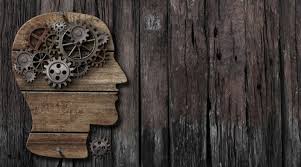
Many people believe learning new skills becomes difficult with age. While it is true that children learn faster in some ways, adults possess unique cognitive advantages. Learning a new skill later in life is not only possible—it actively benefits brain health and emotional well-being.The adult brain remains adaptable due to neuroplasticity, the brain’s ability to form new neural connections. When adults learn something unfamiliar, the brain creates new pathways. This mental exercise strengthens memory, focus, and problem-solving abilities.
Learning challenges the brain to step out of autopilot mode. Daily routines require minimal mental effort, but new skills demand attention and adaptability. Whether learning a language, playing an instrument, or mastering a craft, the brain becomes more engaged and alert.
Emotionally, learning fosters confidence. Overcoming initial difficulty builds self-belief. Many adults underestimate their capacity to learn, and success challenges this self-doubt. Each milestone reinforces a growth mindset—the belief that abilities improve with effort.
Learning also improves mental health. It provides structure, purpose, and satisfaction. Engaging deeply in a skill reduces stress and promotes mindfulness. The sense of progress offers motivation beyond external rewards.
Social benefits are equally important. Learning environments create opportunities for interaction. Classes, workshops, or online communities foster connection and shared growth. These interactions reduce isolation and promote belonging.
Importantly, learning as an adult reshapes identity. It proves that growth does not stop after formal education. This realization encourages lifelong curiosity and adaptability—essential traits in changing societies.
The process matters more than mastery. Struggle is part of learning, not failure. Embracing mistakes enhances resilience and patience.
Learning a new skill is not about becoming perfect. It is about keeping the brain active, the spirit curious, and the sense of self evolving. In doing so, adults unlock capacities they never knew they had