


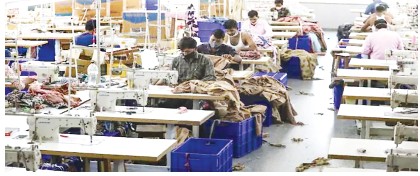
India’s economic story is often told through big industries and national indicators, but its real strength lies in millions of small enterprises and informal businesses that sustain livelihoods and fuel grassroots growth. From family-run shops to home-based entrepreneurs, these small engines of the economy are driving resilience and inclusion.
Micro, small, and medium enterprises (MSMEs) employ a vast section of the workforce, offering income opportunities across rural and urban areas. In recent years, improved access to credit, digital tools, and market platforms has helped many of these businesses stabilise and expand.
Digitalisation has been a major catalyst. Small traders now use online marketplaces to reach customers beyond their immediate neighbourhoods. Artisans, farmers, and manufacturers are bypassing intermediaries, securing better prices and visibility. This shift has strengthened local economies while preserving regional skills and traditions.
Women-led enterprises are a particularly positive trend. With access to microfinance, self-help groups, and digital payments, women are starting businesses in food processing, tailoring, handicrafts, and services. These ventures not only increase household incomes but also enhance decision-making power and social participation. Rural entrepreneurship is gaining momentum as well. Improved connectivity and infrastructure have enabled young people to build enterprises without migrating to cities. Agri-processing units, repair services, and logistics hubs are creating employment close to home, supporting balanced regional development.
Government support programmes, skill training initiatives, and startup incubators have further strengthened this ecosystem. By focusing on ease of doing business at the local level, these measures are reducing barriers and encouraging formalisation without imposing excessive burdens.
Importantly, small businesses contribute to economic stability. Their diversity makes the economy more adaptable during disruptions. When large sectors slow down, local enterprises often continue operating, providing essential goods and services.
The cultural value of these businesses is equally significant. They sustain craftsmanship, food traditions, and community networks that define India’s social fabric. Economic growth, in this sense, is not just about numbers but about continuity and shared prosperity.
As India looks ahead, empowering small enterprises will remain key to inclusive growth. By investing in local potential, the economy becomes not only stronger, but fairer and more resilient.