


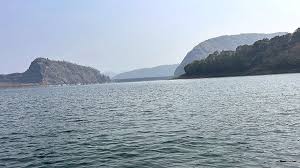
As the Idukki Hydroelectric Project completes fifty years of power generation this year, Kerala finds itself reflecting on one of the most transformative engineering undertakings in its history and confronting new questions about the future of hydropower in a fragile mountain landscape.
The Idukki Hydroelectric Project, Kerala’s largest hydropower installation, completed 50 years of operation in February 2026, marking a major milestone in the state’s energy history.
Built across the Periyar river between the granite hills of Kuravan and Kurathi in Idukki district, the project consists of three dams: the Idukki arch dam, the Cheruthoni gravity dam, and the Kulamavu dam, which together create a vast reservoir spread across nearly 60 square kilometres.
Construction began in 1963 with Canadian assistance under the Colombo Plan, and the project was formally commissioned in 1976 by Prime Minister Indira Gandhi. The arch dam, rising about 169 metres, remains among the tallest of its kind in Asia and stands as one of the most ambitious engineering undertakings in India’s hydropower sector.
Electricity from the reservoir is generated at the underground powerhouse at Moolamattom, one of the largest underground hydropower stations in the country. The plant has an installed capacity of 780 MW produced through six Pelton turbines of 130 MW each, making it the backbone of Kerala’s hydropower system for decades.
Over the years, the project has played a crucial role in meeting the state’s electricity demand and stabilising the power grid. As the project enters its golden jubilee year, the Kerala State Electricity Board has also begun discussing an Idukki Extension Project that could add another 800 MW of capacity, though the proposal is still awaiting statutory clearances.
When the turbines beneath the mountains of Idukki began turning in the mid-1970s, the project symbolised a decisive leap into modernity for a state struggling with chronic electricity shortages. The massive arch dam held back a vast reservoir that promised to illuminate homes, power industries, and stabilise the state’s development trajectory.
Half a century later, the dam’s anniversary arrives at a moment when the rivers of the Western Ghats are behaving differently, extreme rainfall events are reshaping the hydrology of the region and public debates around dams have become sharper than ever before.
What once appeared to be an engineering triumph now sits inside a much larger conversation about climate change, ecological limits and the future of energy. The occasion also raises the larger question of whether such dam projects are anymore feasible in mountainscapes like Idukki where fragile ecology and looming disasters co-exist. Deforestation, changes in land use patterns, climatic shifts and altered rainfall behaviour have made the debate even more complex.