


New Delhi: The moderation of headline retail inflation below 4 per cent reflects the resilience of India’s macroeconomic fundamentals and the effectiveness of ongoing efforts to maintain price stability, industry chamber PHDCCI said on Friday.
Retail Inflation Stays Below RBI Target Despite Monthly Rise
Retail inflation, measured by the Consumer Price Index (CPI), stood at 3.93 per cent in May (year-on-year), remaining below the Reserve Bank of India’s medium-term target of 4 per cent despite a rise from 3.48 per cent in April.
The latest data indicate that inflation remains broadly contained, supported by moderation in several core consumption categories.
Food Inflation Rises, Driven by Select Commodities
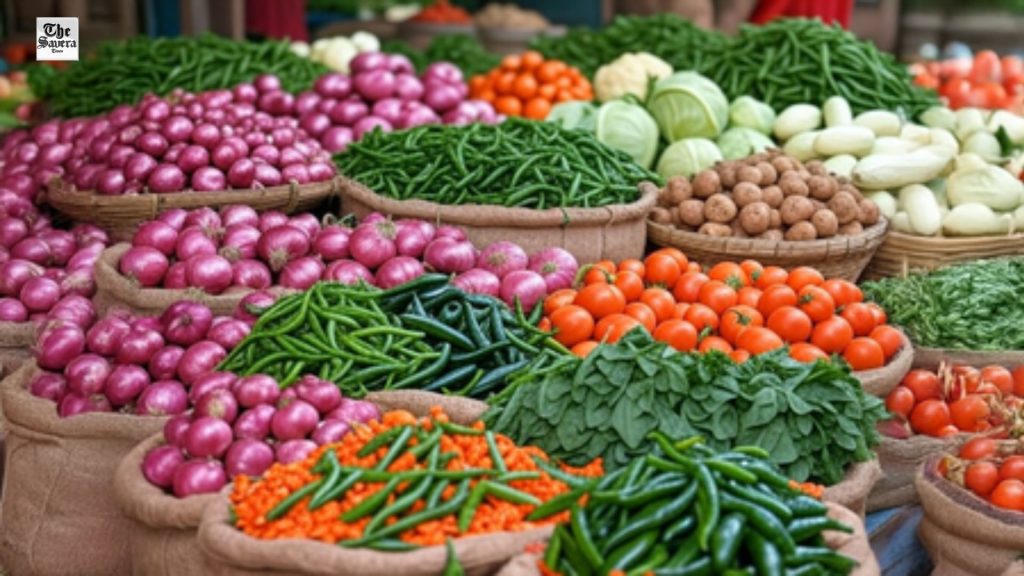
Food inflation (year-on-year) rose to 4.78 per cent in May from 4.20 per cent in April, driven primarily by higher prices of tomatoes, ginger, and certain dry fruits.
However, a decline in prices of potatoes, peas, and selected consumer durables helped offset overall inflationary pressure.
Seasonal Volatility in Food Prices Continues
“While food prices remain subject to seasonal fluctuations, inflation at a broad level continues to remain contained, supporting household purchasing power,” said Rajeev Juneja, President, PHDCCI.
Prices of motor cars, jeeps, motorcycles, and scooters showed a decline during the same period, contributing to easing inflation in non-food categories.
Supply Chains and Stable Energy Prices Support Outlook
Continued improvement in supply chains, stable energy prices, and favourable domestic economic conditions are expected to support inflation management efforts in the coming months, said PHDCCI.
“The short-term inflation outlook looks benign due to continued vigilance by the government on food-price developments,” said Dr. Ranjeet Mehta, SG and CEO, PHDCCI.
RBI Expected to Monitor Inflation Risks Closely
According to Crisil’s Principal Economist Dipti Deshpande, CPI inflation is expected to rise to an average 5.1 per cent this fiscal, compared to 2.0 per cent last fiscal, with risks from fuel prices, currency depreciation, rainfall patterns, and second-round effects.
“The Reserve Bank of India will likely look through these supply-side shocks while keeping a close watch on inflation expectations,” she said.