


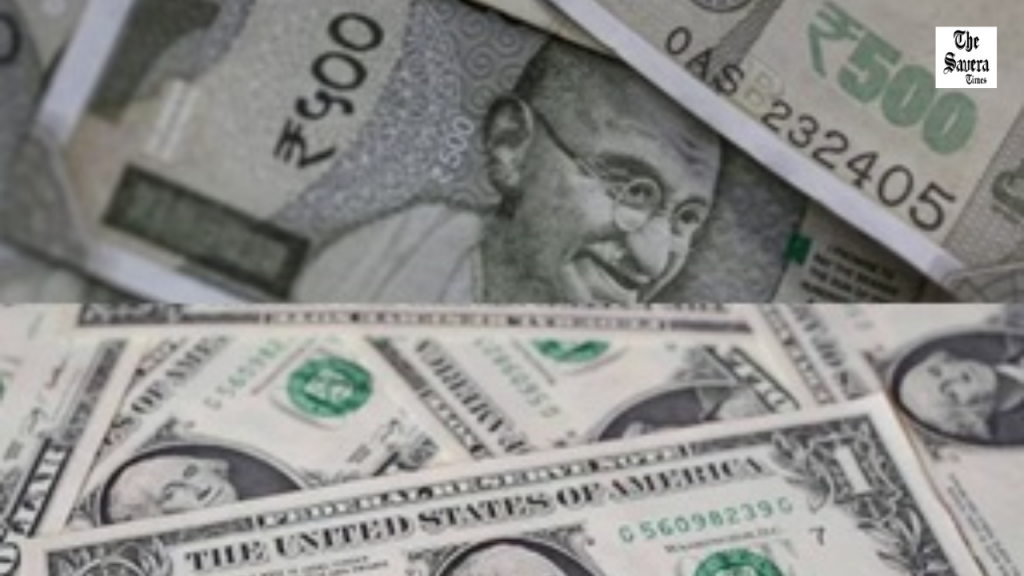
New Delhi, Dec 17, 2025: According to a research report by the State Bank of India (SBI), the Indian rupee is expected to strengthen significantly in the second half of the next fiscal year, following a period of volatility influenced by global economic uncertainties.
Current Challenges Facing the Rupee
The SBI research highlights that geopolitical uncertainties – particularly the ongoing delay in finalizing a U.S.–India trade deal – have been a major factor behind the recent depreciation of the Indian rupee against the U.S. dollar. These uncertainties have weighed on investor confidence and contributed to currency weakness in recent months.
Analysts point to broader external pressures, including global trade tensions and capital flow volatility, as key reasons for the rupee’s subdued performance, even as domestic economic fundamentals remain relatively resilient.
Expectations for the Second Half of the Next Fiscal Year
The SBI report projects that, despite the current challenges, the rupee is likely to recover and strengthen markedly during the second half of the next fiscal year. This expected rebound is tied to:
-
A potential resolution or progress in international trade negotiations.
-
Continued resilience in India’s trade and economic data.
-
Supportive domestic economic conditions that can improve currency stability.
Underlying Economic Context
Despite recent volatility, India’s macroeconomic indicators – including economic growth, trade resilience, and stable inflation – suggest that the economy is well‑placed for steadier performance in the medium term. Reports indicate ongoing GDP growth and a robust outlook for the broader economy, which could further support currency stability.
Financial institutions and economists have also noted that the rupee’s depreciation is partly a result of global capital outflows and trade imbalances, factors which may moderate as global conditions improve or trade agreements progress.
Market and Policy Implications
A strengthening rupee in the second half of the next fiscal year could reduce pressure on import costs and tame inflationary risks, while boosting investor sentiment in equity and bond markets. It could also signal improving confidence among foreign investors and traders in India’s economic trajectory.
However, experts caution that recovery will depend on broader global economic conditions, including progress in international trade talks and capital flows, which remain key uncertainties for currency markets.