


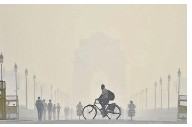
India’s air pollution crisis is often framed as a seasonal problem—something that arrives with winter fog in Delhi or post-harvest burning in Punjab and Haryana. But this framing masks a deeper, year-round emergency that affects nearly every major city and thousands of smaller towns. The air Indians breathe has quietly become one of the country’s deadliest public health threats, claiming lives not through sudden catastrophe but through slow, cumulative damage.
According to global health estimates, air pollution contributes to more than a million premature deaths in India each year. Respiratory illnesses, heart disease, strokes, and even complications during pregnancy have been linked directly to prolonged exposure to polluted air. Yet the crisis rarely commands the urgency reserved for infectious outbreaks or natural disasters. One reason is visibility: polluted air kills invisibly, without dramatic images or instant causality.
Urbanisation has intensified the problem. Indian cities have expanded faster than their infrastructure can support. Construction dust, vehicular emissions, diesel generators, industrial clusters, and waste burning all combine to form a toxic cocktail. Even cities once considered “clean” now experience dangerous spikes in particulate matter. The idea that air pollution is only a Delhi problem is no longer tenable.
Transport remains a major contributor. Despite policy pushes towards cleaner fuels and electric vehicles, the sheer number of vehicles on Indian roads continues to rise. Public transport systems, where they exist, are often overcrowded or unreliable, pushing people towards private vehicles. Meanwhile, freight movement remains heavily dependent on diesel-powered trucks, many of which lack modern emission controls.
Industry and energy production add another layer. Coal-fired power plants still supply a significant portion of India’s electricity. While renewable energy capacity has expanded rapidly, the transition away from coal has been uneven and politically sensitive, particularly in regions dependent on mining and thermal power for employment. Pollution control mechanisms exist on paper, but enforcement remains inconsistent.
The health burden of polluted air falls disproportionately on the poor. Slum dwellers often live near highways, industrial zones, or landfills. Many rely on solid fuels for cooking, exposing them to indoor air pollution that is just as deadly as outdoor smog. For children, prolonged exposure can stunt lung development, leading to lifelong health complications. For the elderly, it can mean reduced mobility, chronic illness, and early death.