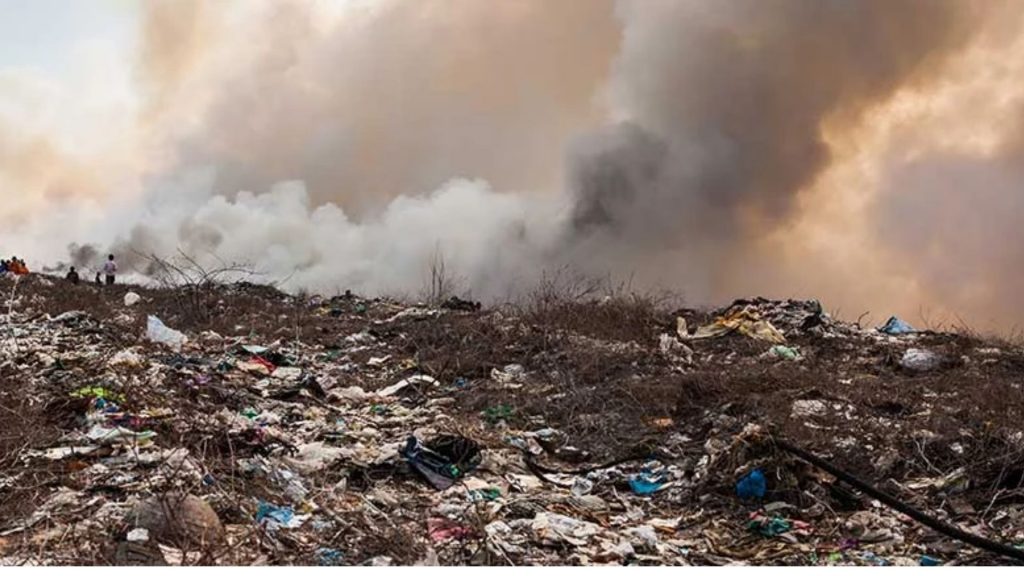
Environmental pollution has emerged as one of the biggest challenges facing India today. Rapid urbanisation, industrial expansion, increasing vehicle numbers, deforestation and improper waste management have placed enormous pressure on the country’s natural resources. From the toxic air choking major cities to polluted rivers and disappearing green spaces, environmental degradation is no longer a distant concern but a daily reality affecting millions of people. Despite several government initiatives and growing public awareness, the country continues to struggle with the consequences of unchecked pollution. Air pollution remains one of the most serious environmental threats in India. Cities such as Delhi, Mumbai, Kolkata, Lucknow and Ludhiana frequently experience poor air quality, particularly during winter months. Vehicular emissions, industrial smoke, construction dust, road dust and the burning of crop residue contribute significantly to the problem. Every year, as pollution levels rise, people are forced to limit outdoor activities and wear masks to protect themselves. Children, elderly people and those with respiratory problems are particularly vulnerable. Clean air should be considered a basic necessity rather than a privilege available only to those who can afford air purifiers and better living conditions. Water pollution is another major concern that requires urgent attention. Several rivers, including the Ganga and Yamuna, continue to receive untreated sewage, industrial waste and household garbage. Despite substantial investments in river-cleaning programmes, pollution remains a persistent problem. Contaminated water affects drinking supplies, agriculture, aquatic life and public health. In many areas, people are forced to depend on unsafe water sources, exposing them to serious diseases. Strict monitoring of industrial discharge, improved sewage treatment facilities and responsible waste disposal are essential to protect India’s water resources. The growing problem of plastic pollution has also become increasingly visible. Plastic bags, bottles, food packaging and other disposable products are commonly found on roadsides, in drains, water bodies and public spaces. Single-use plastics continue to create serious waste-management challenges, while inadequate segregation and recycling systems make the situation worse. During the monsoon, plastic waste blocks drainage systems and contributes to urban flooding. Citizens must reduce their dependence on disposable plastics and adopt reusable alternatives. Deforestation and the rapid destruction of green spaces are further worsening India’s environmental crisis. Trees are being removed for roads, buildings, industrial projects and expanding residential areas. While infrastructure development is necessary for economic growth, it should not come at the cost of ecological balance. Trees help absorb carbon dioxide, regulate temperatures, prevent soil erosion and maintain biodiversity. Urban authorities must prioritise green spaces, protect existing forests and ensure that compensatory plantation drives involve the survival of trees rather than merely meeting numerical targets. The responsibility for addressing pollution cannot rest with the government alone. Citizens also have an important role to play. People must avoid littering, segregate household waste, conserve water, use public transport and reduce unnecessary energy consumption. Educational institutions should introduce practical environmental awareness programmes to encourage young people to adopt sustainable habits. Industries, meanwhile, must be held accountable for violating environmental standards, with strict penalties for those responsible for damaging natural resources. The government must strengthen environmental laws and ensure their effective implementation. Pollution-control boards need adequate resources, modern monitoring equipment and greater accountability. Investment in public transport, renewable energy, scientific waste management and cleaner industrial technologies should become national priorities. Development projects must undergo transparent environmental assessments, with long-term ecological consequences given serious consideration. India’s economic progress and environmental protection must go hand in hand. A country cannot claim to be truly developed if its rivers are polluted, its forests are disappearing and its citizens are forced to breathe unhealthy air. Economic growth should improve the quality of life, not threaten the health of future generations. Environmental protection is not merely a government responsibility or a subject of public debate; it is a collective duty. The choices made today will determine the kind of country future generations inherit. India needs stronger policies, responsible industries and environmentally conscious citizens. The time for discussions and promises has passed. What the country needs now is consistent action, accountability and a genuine commitment to protecting the environment.
India’s pollution problem needs stronger policies and public participation