


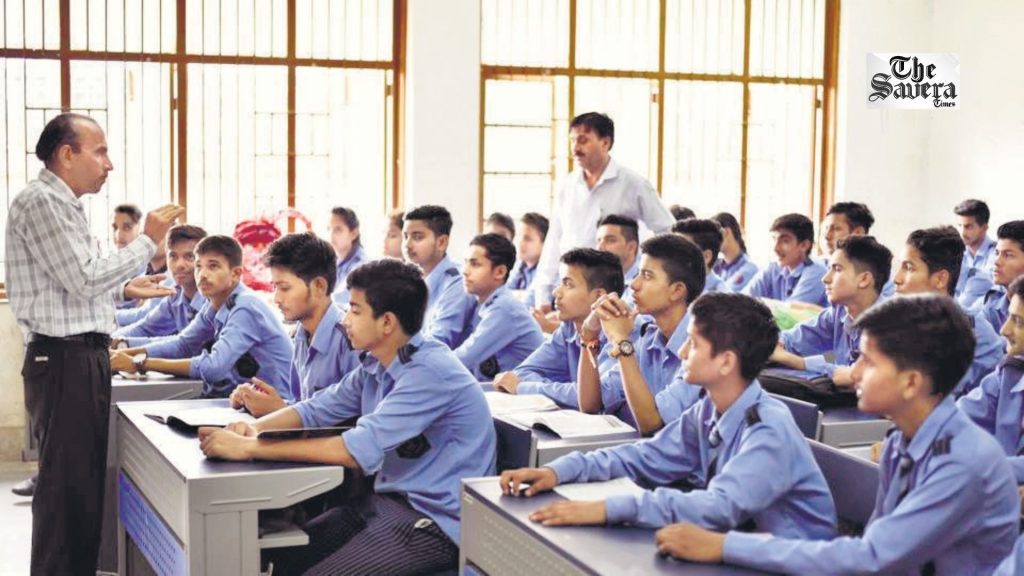
India’s school education system is witnessing a significant transformation, with growing emphasis on quality learning, modern teaching methods, digital education and the overall development of students. From classrooms in major cities to schools in remote villages, efforts are being made to create an environment where every child has the opportunity to learn, grow and realise their potential. With one of the world’s largest school education systems, India has made considerable progress in expanding access to education. Government initiatives, improvements in school infrastructure and the increasing participation of communities are helping strengthen the foundation of education and prepare students for a rapidly changing world. One of the most encouraging developments in Indian education is the growing focus on ensuring that children from different backgrounds have access to schooling. Government programmes such as Samagra Shiksha and the Right to Education framework have played an important role in supporting school education and promoting inclusive learning. Initiatives such as PM POSHAN, which provides nutritious meals to eligible schoolchildren, have also helped support students’ health and classroom participation. The expansion of school infrastructure, including classrooms, toilets, drinking water facilities and electricity, is improving the learning environment in many areas. Efforts to strengthen education in rural and underserved communities are particularly important. Better access to schools can help children overcome geographical and economic barriers while creating opportunities for future generations. Indian schools are increasingly adopting teaching methods that encourage creativity, critical thinking and practical understanding rather than relying entirely on memorisation. The National Education Policy 2020 has encouraged a shift towards competencybased learning, experiential education and the development of essential life skills. Teachers are gradually incorporating activities, discussions, projects and practical exercises into classroom learning. These approaches can help students develop curiosity, communication skills and the confidence to express their ideas. The growing use of technology is also creating new opportunities. Digital classrooms, educational applications and online learning resources can help students access a wider range of educational material. Initiatives such as PM eVIDYA and DIKSHA are supporting digital learning by providing educational resources for students and teachers. When combined with effective classroom teaching, these resources can make learning more engaging and accessible. Teachers continue to play a central role in shaping India’s educational future. Their guidance, encouragement and dedication help students develop not only academic knowledge but also values, confidence and a sense of responsibility. Professional development programmes and improved teaching resources can help educators adapt to changing classroom needs. Recognising teachers as partners in educational progress is essential for building stronger schools. A supportive learning environment allows teachers to understand students’ individual needs and encourage them to reach their full potential. School education is increasingly recognising the importance of activities beyond textbooks and examinations. Sports, music, art, debates and cultural programmes provide students with opportunities to discover their interests and develop teamwork, discipline and leadership. Participation in sports can improve physical fitness and mental wellbeing, while creative activities encourage imagination and self-expression.
India’s schools embrace a new era of learning and opportunity
Delhi Schools, Govt Offices to Remain Closed on September 11 for BRICS Summit