


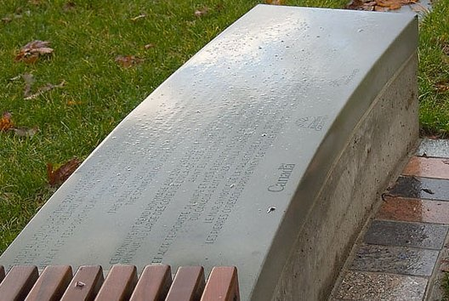
The bombing of Air India Flight 182, popularly known as the Kanishka bombing, remains one of the deadliest acts of aviation terrorism before the September 11 attacks. On June 23, 1985, 329 people, including 24 Indian citizens, lost their lives when the aircraft exploded over the Atlantic Ocean. Most of the victims were Canadians of Indian origin. The attack was not merely directed at an aircraft but was a tragedy that claimed hundreds of innocent lives.
For decades, the incident remained overshadowed by political debates, investigative failures and delayed justice. Canada’s Commission of Inquiry, in its 2010 report Air India Flight 182: A Canadian Tragedy, acknowledged serious institutional failures by Canadian security and intelligence agencies. The report concluded that vital warnings were missed, intelligence was poorly handled, and the threat posed by pro-Khalistani extremists was significantly underestimated.
Only one individual, Inderjit Singh Reyat, was convicted in connection with the bombing. The principal conspirators were never convicted because of insufficient evidence to sustain criminal prosecution. As a result, many families of the victims continue to believe that justice remains incomplete.
The article states that the Kanishka bombing was carried out in the name of Khalistani extremism and argues that recognising this historical reality is important to prevent the distortion of history and counter extremist propaganda.
It further argues that supporters of the Khalistan movement have often projected it as a peaceful political campaign. According to the article, the Kanishka bombing challenged that narrative, as hundreds of innocent passengers, including women and children, became victims of one of the worst terrorist attacks in aviation history. The article contends that acknowledging the responsibility of Khalistani extremists helps distinguish democratic political expression from acts of terrorism.
Why It Matters for Punjab
The article notes that Punjab paid a heavy price during the years of militancy. Thousands of civilians, police personnel, public servants, journalists and religious leaders lost their lives. Economic development slowed, industries suffered, investment declined and an atmosphere of fear affected the state.
It argues that today’s Punjab faces challenges such as drug addiction, unemployment, youth migration and organised crime, and that reviving narratives that glorify violence would be detrimental.
According to the article, recognising the Kanishka tragedy could have several positive consequences. It could weaken the legitimacy of extremist propaganda, discourage the glorification of individuals associated with terrorism through posters or public events, strengthen the resolve of Punjabis who rejected violence, and help younger generations distinguish between Punjab’s cultural identity and extremist ideologies that used religion to justify political violence.
The article also highlights that the Kanishka bombing demonstrated how extremist movements can receive support from networks operating outside India’s borders through diaspora funding, propaganda campaigns and permissive environments that allow radical groups to continue operating even after losing support within Punjab.
It further argues that when governments openly acknowledge the violent history of Khalistani extremism and act consistently against the glorification of terrorism, it becomes more difficult for such organisations to recruit supporters, raise funds or portray themselves as victims.
The article concludes by stating that international cooperation against terrorism depends on acknowledging historical facts rather than ignoring them for political convenience. It emphasises that justice is reflected not only through courtroom convictions but also through society’s commitment to remembering the victims truthfully. It also notes that the Canadian government formally apologised for the institutional failures that contributed to the tragedy.