


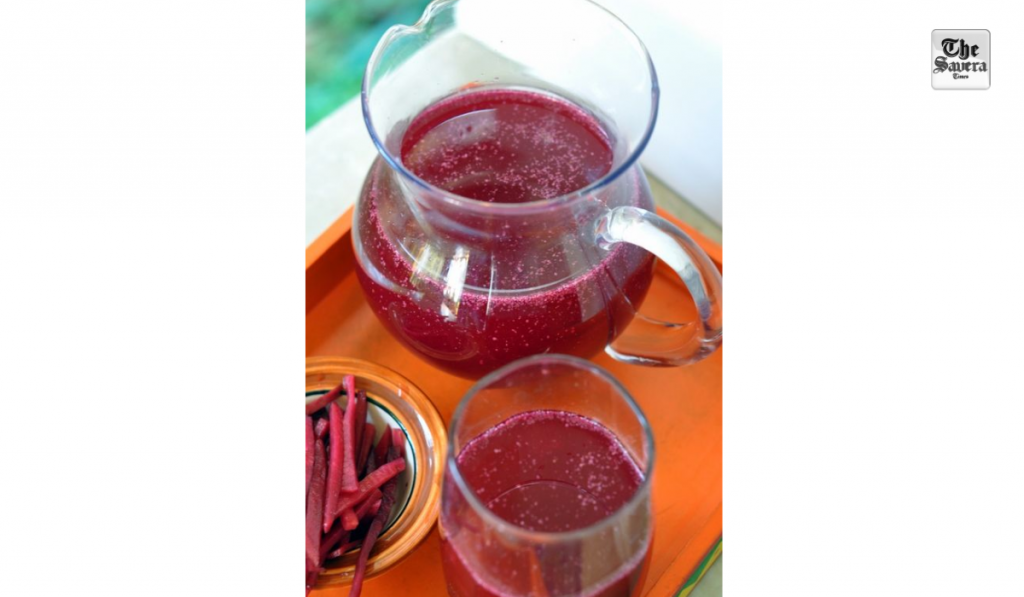
As winter tightens its grip, a deep purple drink quietly returns to Indian homes, carrying with it the taste of tradition, health, and nostalgia.
Kanji, A traditional North Indian fermented drink, most commonly made during the winter months using black carrots. For generations, this sharp, tangy beverage has been prepared in homes, especially in Delhi, Punjab, Uttar Pradesh and Rajasthan.
More than just a drink, kanji is a seasonal ritual that signals the arrival of winter and the availability of black carrots, which are grown only for a short period.
Served chilled yet warming from within, kanji is known for its bold flavour and digestive benefits. Its deep purple colour and sour-spicy taste make it stand out among winter beverages.
What Makes Kanji Special?
This natural fermentation gives kanji its signature sourness and probiotic quality. No artificial additives, no sugar, and no preservatives—just time, sunlight and patience..
A Natural Health Booster
Kanji is often called a “desi probiotic.” The fermentation process promotes the growth of good bacteria, which helps improve digestion and gut health. It is especially beneficial during winter, when digestion tends to slow down.
Black carrots are rich in antioxidants, iron and vitamin A. Combined with mustard seeds, which are known to boost metabolism, kanji becomes a powerful immunity-enhancing drink. It is believed to help prevent constipation, bloating and acidity, making it both tasty and functional.
Some health benefits of Kanji drink:
- Improves Digestion
Boosts Immunity - Good for Gut Health
- Helps Detox the Body
- Supports Heart Health
- Aids Weight Management
- Keeps the Body Warm
- Natural and Chemical-Free
- Memories Served Cold


Nostalgia in Every Sip
For many, kanji is closely linked to childhood memories. Large ceramic jars kept on terraces, elders checking the fermentation daily, and the unmistakable smell of mustard filling the house—kanji is deeply nostalgic.
Even today, many families pass down their own versions of the recipe. Some add beetroot, others prefer more spice, but the essence remains the same: slow food made with care.
How to Make Traditional Black Carrot Kanji at Home
Making kanji at home is simple and does not require any cooking. It relies on natural fermentation, sunlight and patience.
Ingredients:
Black carrots – 4 to 5 (washed and cut lengthwise)
Mustard seeds (rai) – 2 tablespoons (coarsely crushed)
Red chilli powder – 1 teaspoon
Salt – to taste
Asafoetida (hing) – a pinch
Water – about 1.5 litres
Method:
Take a clean glass or ceramic jar and add the sliced black carrots to it. Pour in water so that the carrots are fully submerged. Add crushed mustard seeds, red chilli powder, salt and a pinch of asafoetida. Stir the mixture well using a clean spoon.
Cover the jar loosely with a cloth and place it in direct sunlight for 3 to 5 days. Stir the mixture once daily to help even fermentation. As the days pass, the water will turn deep purple and develop a sharp, tangy aroma.
Once fermented, strain the liquid into a bottle and refrigerate. The carrot pieces can be eaten along with the drink. Serve chilled and enjoy this traditional winter probiotic.
Tip: The sourness of kanji depends on sunlight and temperature. In colder weather, fermentation may take an extra day.
A Drink Worth Preserving
While kanji was once limited to home kitchens, it is now slowly finding space in cafés, organic food stores and winter pop-ups. Health-conscious consumers are rediscovering fermented foods, and kanji fits perfectly into this trend.
In a world of packaged juices and sugary beverages, kanji stands as a reminder of India’s rich food wisdom. It teaches us the value of seasonal ingredients, fermentation, and mindful consumption.
This winter, a glass of kanji is not just a drink—it is history, health and heritage blended together.