


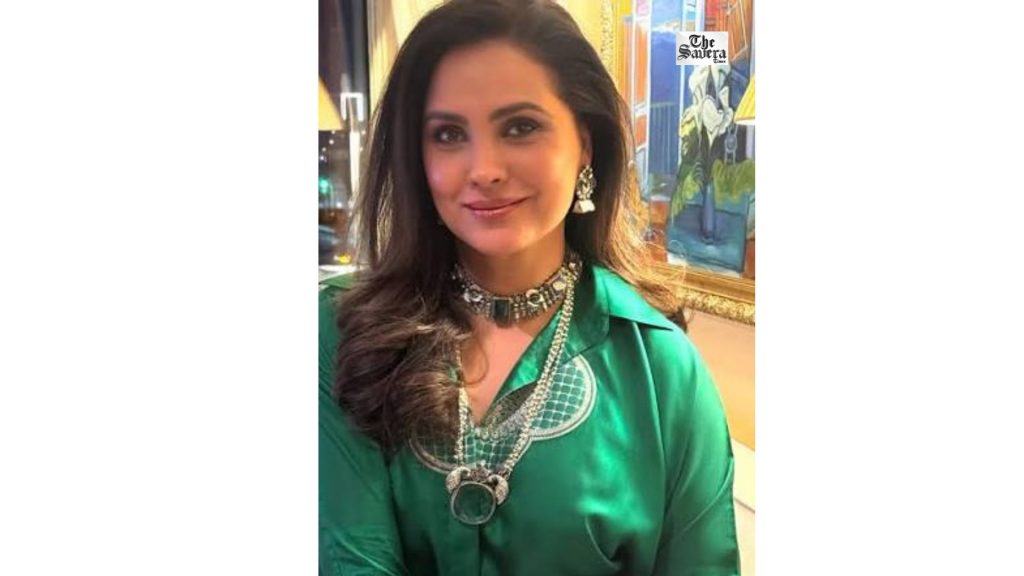
Mumbai: Actress Lara Dutta attended a conference focused on Alzheimer’s awareness on World Alzheimer’s Day on Monday and urged people to speak openly about the disease and recognise its signs at an early stage.
Speaking to the media after the conference, Lara said that starting a conversation about Alzheimer’s is one of the most important steps in dealing with the condition. She also shared her personal experience, revealing that her 80-year-old mother has been living with Alzheimer’s and dementia for nearly a decade.
Lara Dutta Shares Mother’s Alzheimer’s Journey
The Partner actress said Alzheimer’s should not simply be viewed as a disease linked to forgetfulness. She highlighted the importance of medical support, caregivers and a strong family support system in caring for people living with the condition.
Lara said her mother, who is now 80, has been living with Alzheimer’s and dementia for around 10 years. She added that the care her family has been able to provide would not have been possible without the support of doctors, caregivers and a strong support system.
‘Do Not Confuse It With Normal Ageing’
The Chalo Dilli actress urged people to seek professional advice if they notice changes in the thinking or memory of their loved ones.
She said people should not dismiss such changes as ordinary forgetfulness or simply wait for several years to see how the condition develops. According to Lara, identifying possible signs early can help families understand the condition and seek appropriate treatment and care.
She also stressed that changes in memory and thinking should not automatically be confused with the normal ageing process.
Lara Urges Families to Build Support Systems
Lara encouraged people to approach qualified healthcare professionals, ask questions and educate themselves about Alzheimer’s and dementia.
She also emphasised the importance of building a strong support system for people living with the conditions as well as for their families and caregivers.