


Abhishek Vij
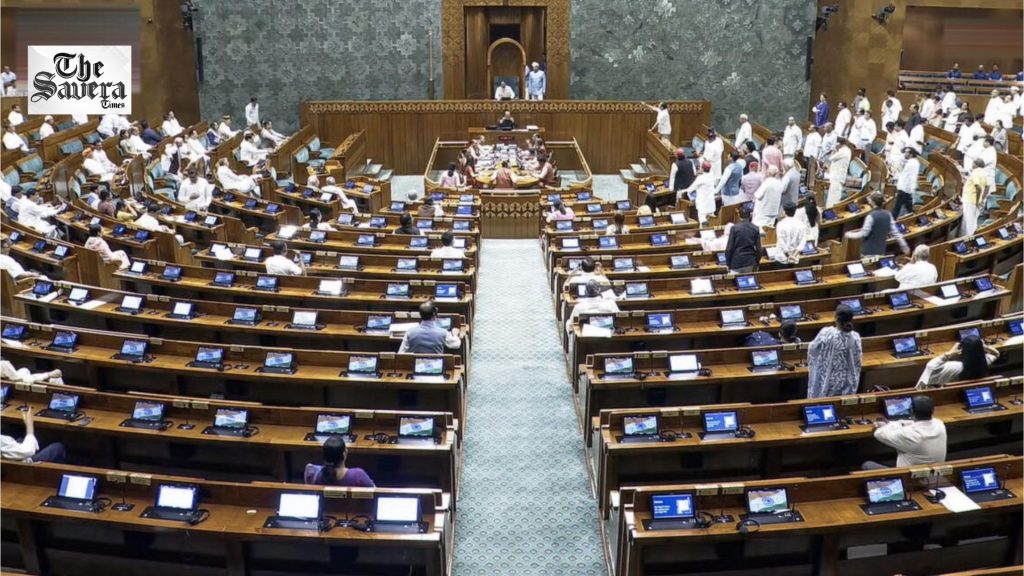
Positive results have begun to emerge following the agitation at Delhi’s Jantar Mantar—led by the ‘Cockroach Janata Party’ and supported by students—which demanded an end to paper leak conspiracies, appropriate changes to the examination system, and other reforms in the education sector. Following Dharmendra Pradhan’s resignation as Education Minister, the government approved a cabinet proposal for a stringent law to curb paper leaks, featuring provisions for severe penalties and heavy fines for offenders. While a law addressing paper leaks was already enacted in 2024, it has now been amended to make it even more rigorous. The establishment of fast-track courts across the country has also been announced. The next step involves a radical overhaul of the nation’s educational framework. To this end, a parliamentary discussion began on Tuesday, focusing on the proposed penal amendments and a comprehensive revamp of the education system. Leaders from both the ruling coalition and the opposition participated in the debate, which commenced at 2:00 PM, and presented their respective viewpoints. While introducing the proposal for the new penal provisions, Union Minister Jitendra Singh stated that the amendment reinforces the government’s commitment to safeguarding the interests of students and the youth. The opposition moved 92 amendments to the bill, with leaders such as Rahul Gandhi, Priyanka Gandhi, K.C. Venugopal, and Gaurav Gogoi leading the charge. Bansuri Swaraj initiated the arguments on behalf of the ruling party, and relevant ministers from the government also provided responses. Earlier, on Monday, leaders of the INDIA bloc had met at Mallikarjun Kharge’s office to strategize on the conditions under which the parliamentary session would proceed. Subsequently, the deadlock was broken through the efforts of Speaker Om Birla, enabling a peaceful discussion on Tuesday. During the debate, the opposition argued that while a bill proposing stricter penalties had been introduced, paper leaks have been occurring for the past 25 years—and have increased during the tenure of the current government—yet the guilty often go unpunished. Over such a long period, only two out of the 45 individuals involved have been punished so far. Will the government change its stance on this? The response given was that the very commitment to reform is what led to the introduction of such a stringent, amended law. SP MP Akhilesh Yadav remarked that while the Prime Minister was shielded at the cost of sacrificing [Dharmendra] Pradhan, the rhetoric aside, the manner in which Pradhan was welcomed upon his return to Parliament suggested he had come back as a hero rather than a villain. Uproar ensued in Parliament regarding the police use of force against students; the Congress questioned who had authorized the use of pellet guns on them. Meanwhile, as part of the government’s measures to reform the examination system, a committee headed by Nandan Nilekani commenced its work on Monday. Since its members reside in different states, consultations were held virtually. The newly formed committee will soon formulate a roadmap and begin its operations. It is our view that transforming the country’s education system requires concrete, tough measures rather than mere announcements. The examination phase comes later; the primary stage is education itself