


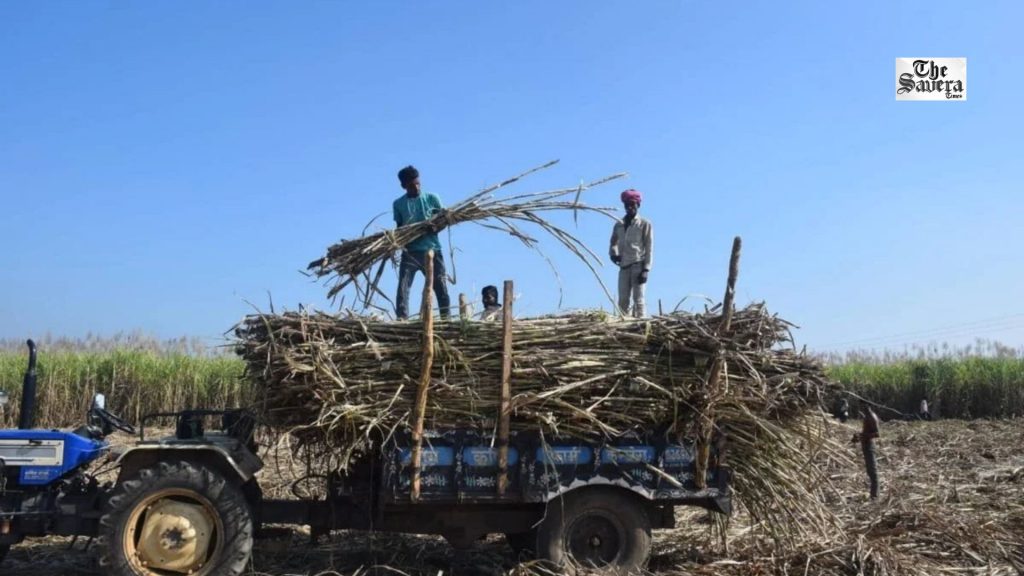
Mumbai: Maharashtra’s sugar mills and ethanol producers are facing fresh financial pressure after the Centre restricted the purchase of ethanol made directly from sugarcane juice, sugar syrup and B-heavy molasses. The policy change has raised concerns about investments worth thousands of crores and the future of several ethanol manufacturing units.
The new procurement guidelines, issued on October 16, cover the ethanol supply year running from November 1 to October 31. Under the revised policy, Oil Marketing Companies (OMCs) will procure ethanol made from C-heavy molasses, while purchases from the other sugarcane-based sources mentioned in the guidelines have been barred.
The decision is aimed at maintaining adequate sugar production in the country. However, sugar industry representatives say the restrictions could make several existing ethanol projects financially unviable because production from C-heavy molasses alone may not generate enough returns at current market prices.
Rs 40,000 Crore in Investments Under Pressure
Industry representatives estimate that investments worth nearly Rs 40,000 crore in Maharashtra’s ethanol manufacturing sector are now at risk. They say sugar mills and distilleries expanded their production capacity after the government encouraged ethanol blending in petrol to reduce dependence on imported fuel.
India has an installed ethanol manufacturing capacity of around 2,000 crore litres, including 848 crore litres from grain-based plants. Total investments in the sector across the country are estimated at nearly Rs 1 lakh crore.
Maharashtra has 16 standalone and grain-based distilleries with a combined annual production capacity of around 56 crore litres, according to an industry representative.
The cost of setting up these facilities is also substantial. A grain-based distillery with a daily capacity of 60 kilolitres can require an investment of Rs 120 crore to Rs 135 crore. A smaller plant with a capacity of 30 kilolitres may cost between Rs 50 crore and Rs 60 crore.
Industry stakeholders fear that the procurement restrictions could leave some units struggling to repay loans and meet their operating costs.
Sugar Mills Running Below Installed Capacity
Data from the Maharashtra State Cooperative Sugar Factories Federation Ltd shows that sugar factories in the state have an installed ethanol production capacity of around 3,750 million litres.
During the 2025-26 season, these factories supplied 1,250 million litres, using about 30 per cent of their installed capacity. Industry representatives fear that the latest restrictions could further complicate efforts to keep existing plants running profitably.
A high-level ministers’ committee chaired by Chief Minister Devendra Fadnavis has estimated that Maharashtra could have around 99 million tonnes of sugarcane available for crushing during the 2026-27 sugar season.
Sugar production is projected at 9.6 million tonnes after diverting 1.5 million tonnes of sugar towards ethanol production. Industry stakeholders are concerned that the new procurement rules could affect the economics of this arrangement and put pressure on mills that have invested heavily in distilleries.
Industry Warns of Loan Repayment Risks
Harshvardhan Patil, chairman of the National Federation of Cooperative Sugar Factories and a former Maharashtra Cooperation Minister, said sugar factories expanded their distillery operations after receiving encouragement from the Centre.
He said ethanol blending had helped save around Rs 2 lakh crore in foreign exchange and generated payments of Rs 1.75 lakh crore for farmers. Patil warned that the policy shift could put the wider ethanol economy under pressure and expose banks to a potential rise in non-performing assets.
B.B. Thombare, president of a sugar mills association, also expressed concern over the decision. He said years of efforts to develop an ethanol-based economy could be undermined and called for a long-term policy that supports the sector through temporary periods of drought or lower sugar production.
The industry argues that the investments were made in response to the government’s push for a 20 per cent ethanol-blending target in petrol. Producers now fear that restrictions on procurement could leave newly established units unable to earn enough to cover their capital costs.
Mills Seek Support to Switch to Multiple Feedstocks
Cooperative sugar mills are seeking government assistance to upgrade their distilleries so they can use multiple raw materials, including maize and other grains.
Such changes could help plants continue operating throughout the year instead of relying on a limited range of sugarcane-based feedstocks. However, converting existing facilities would require further investment at a time when many producers are already concerned about loan repayments.
The coming ethanol supply year will be crucial for the sector as mills assess how the revised procurement rules affect demand and plant utilisation. Industry representatives are calling for policy support to protect existing investments, safeguard farmers’ interests and prevent financial pressure from spreading across sugar factories, distilleries and banks.