


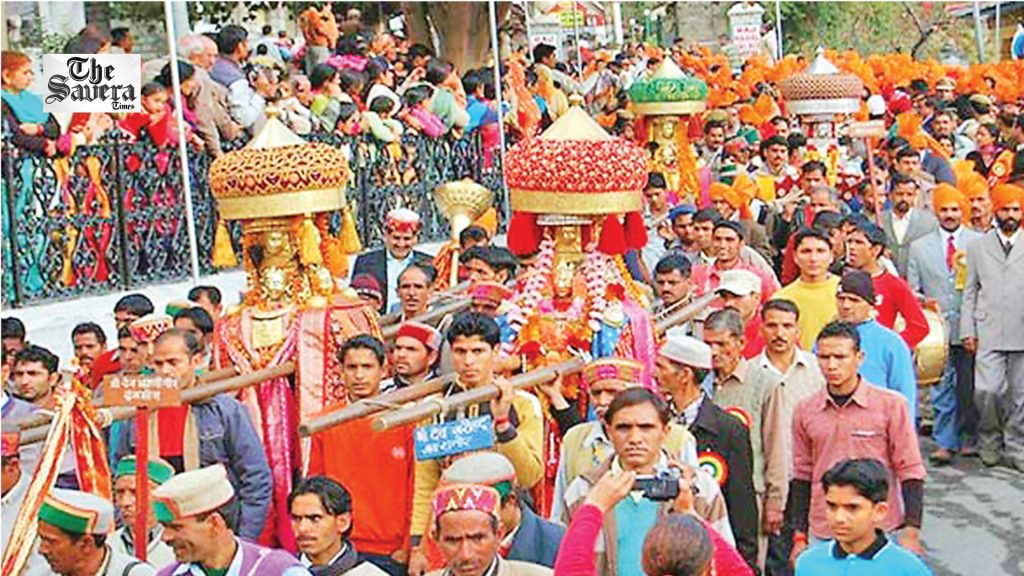
The Minjar Fair of Chamba is much more than an annual celebration. It is a living expression of the history, faith, culture, and collective identity of the people of Himachal Pradesh. Celebrated for centuries on the banks of the Ravi River, the festival symbolizes gratitude for a bountiful harvest, harmony among communities, and the enduring bond between humanity and nature. Every year, thousands of devotees, tourists, artists, and cultural enthusiasts gather in Chamba to witness the vibrant procession, colourful cultural performances, and the sacred immersion of the Minjar in the Ravi.
In recent decades, the Minjar Fair has grown into an event of international recognition. It attracts visitors from across India and abroad, contributing significantly to tourism and the local economy. Hotels, transport operators, shopkeepers, artisans, and small businesses all benefit from the increased footfall. This growth is a welcome development, reflecting the fair’s expanding appeal and Chamba’s growing place on India’s cultural tourism map.
Yet, as the festival grows in size and popularity, an important question deserves thoughtful reflection: Can a festival retain its soul while embracing rapid modernization? Many residents, senior citizens, cultural scholars, and regular visitors believe that the original spirit of the Minjar Fair is gradually being overshadowed by commercial interests.
While modern entertainment undoubtedly attracts larger audiences, traditional folk music, local dance forms, and the cultural narratives that once formed the heart of the festival sometimes appear to receive less attention than celebrity performances and commercial attractions. For younger visitors especially, the fair risks becoming merely an entertainment event rather than an opportunity to understand Chamba’s remarkable cultural heritage. The cultural identity of Minjar lies not only in its grand procession but also in its rituals, folklore, traditional attire, local handicrafts, and the stories passed down through generations. The beautiful Chamba Rumal, intricate metal crafts, traditional music, and centuries-old customs represent a heritage that deserves pride of place.
These treasures should remain central to the celebrations rather than becoming secondary attractions. Another aspect that merits attention is festival management. Organising an event that attracts thousands of visitors is undoubtedly a challenging task, and the district administration, police, volunteers, and numerous departments work tirelessly to ensure its smooth conduct. Their efforts in maintaining security, arranging cultural programmes, and facilitating public services deserve appreciation.
At the same time, every large public event offers opportunities for improvement. During peak days, visitors sometimes experience traffic congestion, overcrowded public spaces, inadequate parking, and challenges related to cleanliness and waste disposal. These issues are not unique to Chamba; they accompany many growing festivals across the country.
Nevertheless, addressing them proactively would enhance the overall experience for residents and tourists alike while protecting the historic town. Environmental sustainability is another area that calls for greater focus. The scenic beauty of Chamba is one of its greatest assets. Plastic waste, improper disposal of litter, and pressure on local infrastructure during the fair can affect both the environment and the visitor experience. A stronger emphasis on ecofriendly practices, effective waste management, and public awareness campaigns would reinforce the festival’s message of respect for nature. Equally important is the role of local artists and artisans.
The Minjar Fair should continue to serve as a platform where the cultural talent of Chamba receives the recognition it deserves. Folk musicians, dancers, craftsmen, and weavers are the true custodians of the region’s heritage. Their performances and creations should occupy a prominent place in the festival programme, ensuring that visitors experience the authentic cultural richness that makes Minjar unique.
The younger generation also has a crucial role to play. Schools, colleges, and cultural organisations can organise exhibitions, heritage walks, storytelling sessions, and competitions that help students understand the historical significance of the festival. When young people appreciate the meaning behind the rituals and traditions, they become active participants in preserving them rather than passive spectators. Modernisation itself is not the challenge. Better infrastructure, digital promotion, improved tourism facilities, and wider publicity are all welcome developments. The real challenge is ensuring that progress strengthens rather than dilutes the festival’s cultural identity.
Growth and heritage need not be opposing forces; with thoughtful planning, they can complement one another. The future of the Minjar Fair depends upon collective responsibility. The administration can continue improving infrastructure and public services. Cultural organisations can document and promote traditional practices. Local residents can uphold the values of hospitality and cleanliness. Visitors can respect local customs and help preserve the environment. Together, these efforts can ensure that the fair remains both vibrant and authentic.
The Minjar Fair is not merely a celebration marked on the calendar. It is a symbol of Chamba’s enduring spirit, reflecting centuries of faith, tradition, and community life. Its greatest strength lies not in the size of the crowds or the scale of entertainment but in the values it represents. As Chamba moves confidently into the future, preserving the soul of Minjar should remain its highest priority.
If future generations are to inherit this remarkable legacy, they must receive not only a grand festival but also the stories, traditions, craftsmanship, and cultural pride that have made the Minjar Fair one of India’s most cherished celebrations. Protecting that legacy is a shared responsibility—and perhaps the finest tribute we can pay to the timeless heritage of Chamba.