


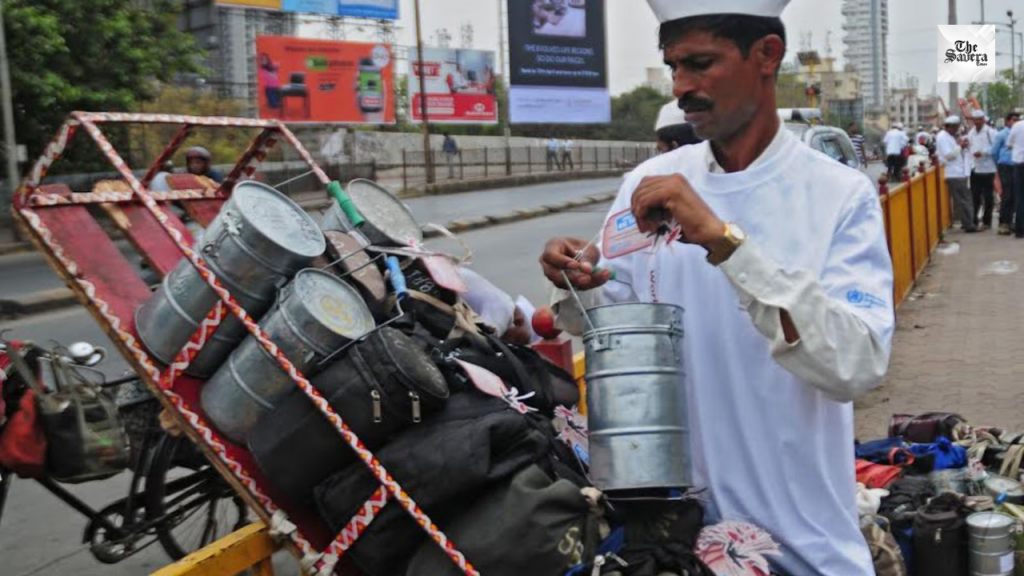
Mumbai’s iconic tiffin delivery network, known for its efficiency and reliability, is facing an unprecedented crisis as a severe shortage of commercial LPG cylinders disrupts kitchen operations across the city.
Tiffin services struggle without LPG
The LPG shortage has hit small and medium tiffin service providers the hardest, many of whom rely entirely on gas-based cooking. Operators say they have been unable to secure cylinders for days, forcing them to cut production or shut down operations altogether.
In areas like Bhandup, some tiffin providers reported not receiving a single cylinder for nearly two weeks, pushing their businesses to the brink of closure. Others in Jogeshwari and nearby localities have already stopped operations after exhausting their limited gas supply.
Costs soar, margins shrink
The crisis has also led to a massive increase in LPG prices in the open market. The cost of a 14-kg commercial cylinder has surged from around ₹920 to as high as ₹2,500–₹3,000, severely impacting operating costs.
As a result, tiffin providers have been forced to increase meal prices, even as their margins shrink by nearly 30%. Many operators say they are unable to pass on the full cost burden to customers, fearing loss of demand.
Livelihoods at stake
The shortage is not only affecting business owners but also workers dependent on these services. Some tiffin operators have had to suspend bulk cooking operations, leaving daily-wage workers, including women involved in roti-making, without income.
The crisis threatens the larger ecosystem of Mumbai’s dabbawala network, which serves thousands of officegoers, students, and families daily.
Demand rises despite supply crunch
Interestingly, demand for tiffin services has not declined. In fact, operators say demand has increased as many restaurants as possible and eateries across Mumbai are shutting down or reducing operations due to the same LPG shortage.
However, the inability to meet this demand is creating a gap in food supply, especially for working professionals who rely on affordable home-cooked meals.
Few insulated, most affected
Tiffin services with access to piped natural gas (PNG) have remained relatively unaffected and continue operations smoothly. Others are exploring alternatives such as shifting back to home kitchens or using limited electric cooking options, though these are not viable at scale.
Government steps, but uncertainty remains
The Centre has increased commercial LPG allocation by 20%, taking total supply to 50% of pre-crisis levels. The additional supply is meant to prioritise key sectors like restaurants, hotels, and food services.
However, tiffin operators say there is little clarity on when the additional supply will reach them, leaving them in continued uncertainty.
Wider impact of LPG shortage
The LPG crisis, triggered by global supply disruptions linked to geopolitical tensions in West Asia, has affected multiple sectors across India. Restaurants, street food vendors, and even mid-day meal services have been disrupted due to the shortage.
Uncertain future for Mumbai’s dabbawala system
Mumbai’s famed dabbawala system, often regarded as a symbol of precision and resilience, is now facing one of its toughest challenges.
Unless LPG supply stabilises soon, experts warn that the crisis could have long-term implications for small food businesses and the thousands of people who depend on them for daily meals.